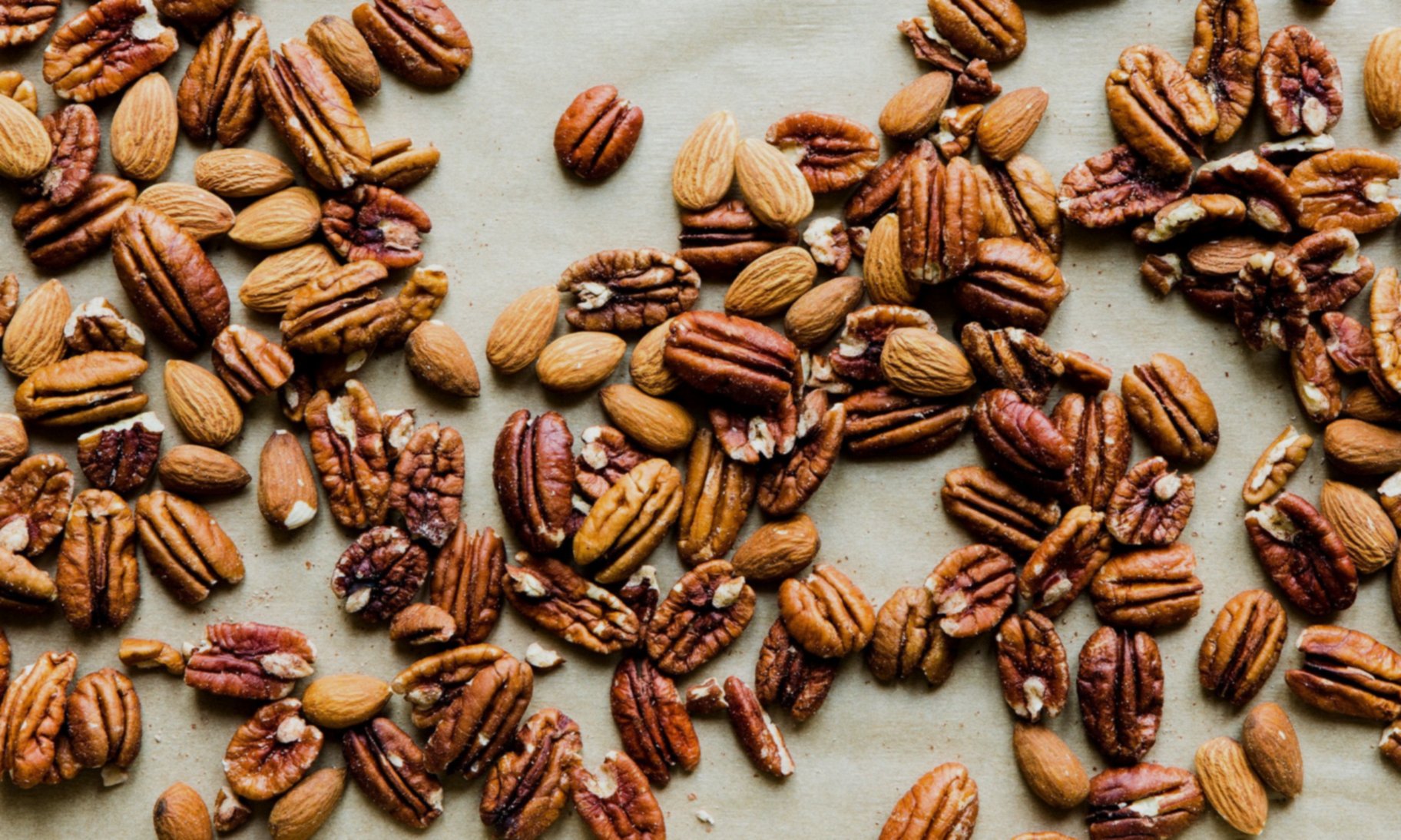
For those who enjoy a tasty snack, new research confirms what pecan lovers already suspected: these nuts are exceptionally good for your heart. A comprehensive review of 52 peer-reviewed studies spanning 25 years confirms the benefits of incorporating pecans into a regular diet. The findings, published in the journal Nutrients, demonstrate that pecans significantly support cardiovascular health in multiple ways.
How Pecans Benefit Your Heart
The research highlights several key advantages of pecan consumption:
- Improved Cholesterol Levels: Regular pecan intake is linked to reductions in total cholesterol, LDL (“bad”) cholesterol, triglycerides, and non-HDL cholesterol. This makes pecans a practical dietary tool for improving lipid profiles.
- Antioxidant Power: Pecans are rich in polyphenols—plant compounds that boost antioxidant activity and reduce lipid oxidation, a crucial factor in preventing heart disease.
- Better Diet Quality: People who eat pecans tend to have healthier eating habits overall, as reflected in higher scores on the Healthy Eating Index. This suggests pecans are often part of a broader, health-conscious lifestyle.
Why Pecans Stand Out
Pecans aren’t just another nut; they possess unique qualities that make them particularly effective for heart health:
- High Antioxidant Capacity: Pecans rank among the highest of all tree nuts in antioxidant content, according to the USDA. This means they deliver a potent dose of protective compounds.
- Heart-Healthy Fats: Pecans are abundant in monounsaturated fatty acids, the same beneficial fats found in olive oil, which are linked to cardiovascular benefits.
- Nutrient Density: They provide fiber, magnesium, zinc, and other essential micronutrients that support overall well-being.
- Polyphenol Strength: The high polyphenol content in pecans appears to play a key role in lowering cholesterol levels, as evidenced by studies showing decreased lipid peroxidation and increased antioxidant capacity in at-risk individuals.
Addressing Concerns About Weight Gain
A common question is whether eating pecans leads to weight gain due to their calorie density. However, the review found no evidence to support this concern. Nuts, including pecans, tend to be satiating, potentially aiding in appetite control. The key is to incorporate pecans into your diet as a substitute for less nutritious snacks, rather than adding them on top of an already unhealthy eating pattern.
Simple Ways to Add Pecans to Your Diet
Making pecans a regular part of your meals is easy:
- Snack Smart: A 1-ounce serving (about 19 pecan halves) makes a satisfying and healthy snack.
- Breakfast Boost: Add pecans to oatmeal, yogurt, or smoothie bowls for added crunch and nutrition.
- Salad Topping: Pecans provide a delicious texture and heart-healthy fats when sprinkled over salads.
- Roasted Delight: Combine pecans with roasted vegetables like sweet potatoes, Brussels sprouts, or squash.
- Swap, Don’t Add: Replace chips, crackers, or other less nutritious snacks with a handful of pecans.
Storage Tip: Pecans can go rancid due to their high fat content. Store them in the fridge or freezer to maintain freshness.
The research confirms that pecans are not just a tasty indulgence; they’re a heart-healthy superfood backed by 25 years of scientific evidence. Incorporating them into your diet can support healthy cholesterol levels, deliver powerful antioxidants, and contribute to an overall healthier lifestyle.