
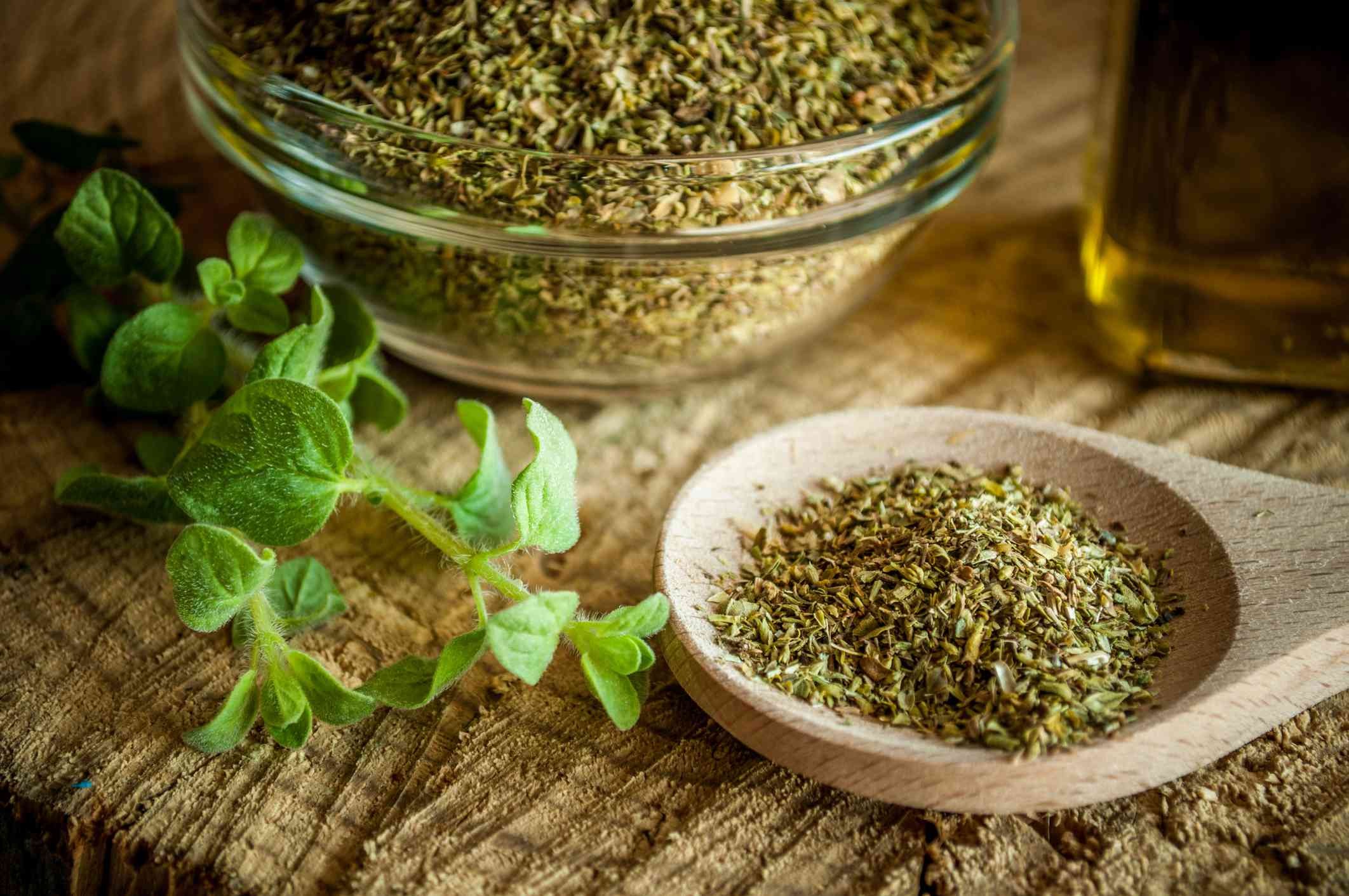
Oregano ( Origanum vulgare ) is a common herb with a surprising range of potential health benefits. While research is still evolving, studies suggest oregano is rich in antioxidants and key nutrients. This article breaks down the science, what we know, and how to safely incorporate oregano into your diet.
Antioxidant Power and Cellular Protection
Oregano stands out for its high concentration of plant compounds. These include phenolic acids (rosmarinic, chlorogenic, cinnamic) and flavonoids (quercetin, apigenin, luteolin, kaempferol). These compounds act as antioxidants, protecting cells from damage caused by free radicals.
A 2022 study on soldiers undergoing intense physical stress demonstrated that 500mg of powdered oregano significantly boosted antioxidant levels compared to a placebo, reducing muscle damage and oxidative stress. This suggests oregano may help recovery after strenuous activity. However, keep in mind this dosage is higher than typical dietary intake, and further research is needed to confirm these effects in broader populations.
Beyond Antioxidants: Potential Health Effects
Animal studies hint at broader benefits: oregano may have anticancer, anti-inflammatory, and even mood-boosting properties. Some research suggests it could inhibit the growth of certain cancers (like breast cancer in lab settings) and offer anti-diabetic effects. However, these studies use extremely high doses—far beyond what most people consume—so direct human application remains unproven.
Nutritional Profile: What Does Oregano Offer?
One tablespoon of ground oregano provides:
- Calories: 14.3
- Fat: Less than 1 gram
- Carbohydrates: 3.72 grams
- Fiber: 2.28 grams
- Protein: Less than 1 gram
- Vitamin K: 33.6 mcg (28% Daily Value)
- Manganese: 0.27 mg (12% Daily Value)
- Iron: 1.9 mg (11% Daily Value)
This makes oregano a surprisingly good source of vitamin K (crucial for blood clotting and bone health), manganese (vital for immunity, bone formation, and blood coagulation), and iron (necessary for energy, hormones, and neurological function).
Supplements vs. Whole Herb: What’s Best?
Oregano is readily available as an herb, but also in supplement form (oregano oil or extract). Animal studies suggest that oregano oil might improve immune function and gut health, likely due to its antimicrobial and anti-inflammatory compounds. But human evidence is lacking. For now, relying on the whole herb in your diet is the more established approach.
Risks and Precautions
Oregano is generally safe in normal dietary amounts. Excessive consumption could cause mild stomach upset. Pregnant or breastfeeding individuals should avoid large doses due to potential risks of miscarriage or harm to the infant.
People with allergies to plants in the Lamiaceae family (basil, lavender, mint, etc.) may also react to oregano. Finally, those on blood thinners should be cautious: oregano’s high vitamin K content can interfere with medication.
How to Add Oregano to Your Diet
Oregano’s flavor is strong, earthy, and slightly bitter, making it a staple in Mediterranean cuisine. You can use it fresh, but dried oregano is more common. Here are some simple ways to enjoy it:
- Salad dressings: Add dried oregano for a flavorful kick.
- Marinades: Incorporate it into marinades for meat, poultry, fish, or vegetables.
- Baked goods: Mix it into bread or pizza dough.
- Finishing touch: Sprinkle dried oregano on finished dishes like pizza, pasta, or soups.
In conclusion, oregano offers a range of potential health benefits backed by emerging research. While more human studies are needed, incorporating this herb into your diet is a safe and flavorful way to add antioxidants and essential nutrients. Approach supplements with caution, and always consult your doctor if you have concerns about interactions with medications or pre-existing conditions.