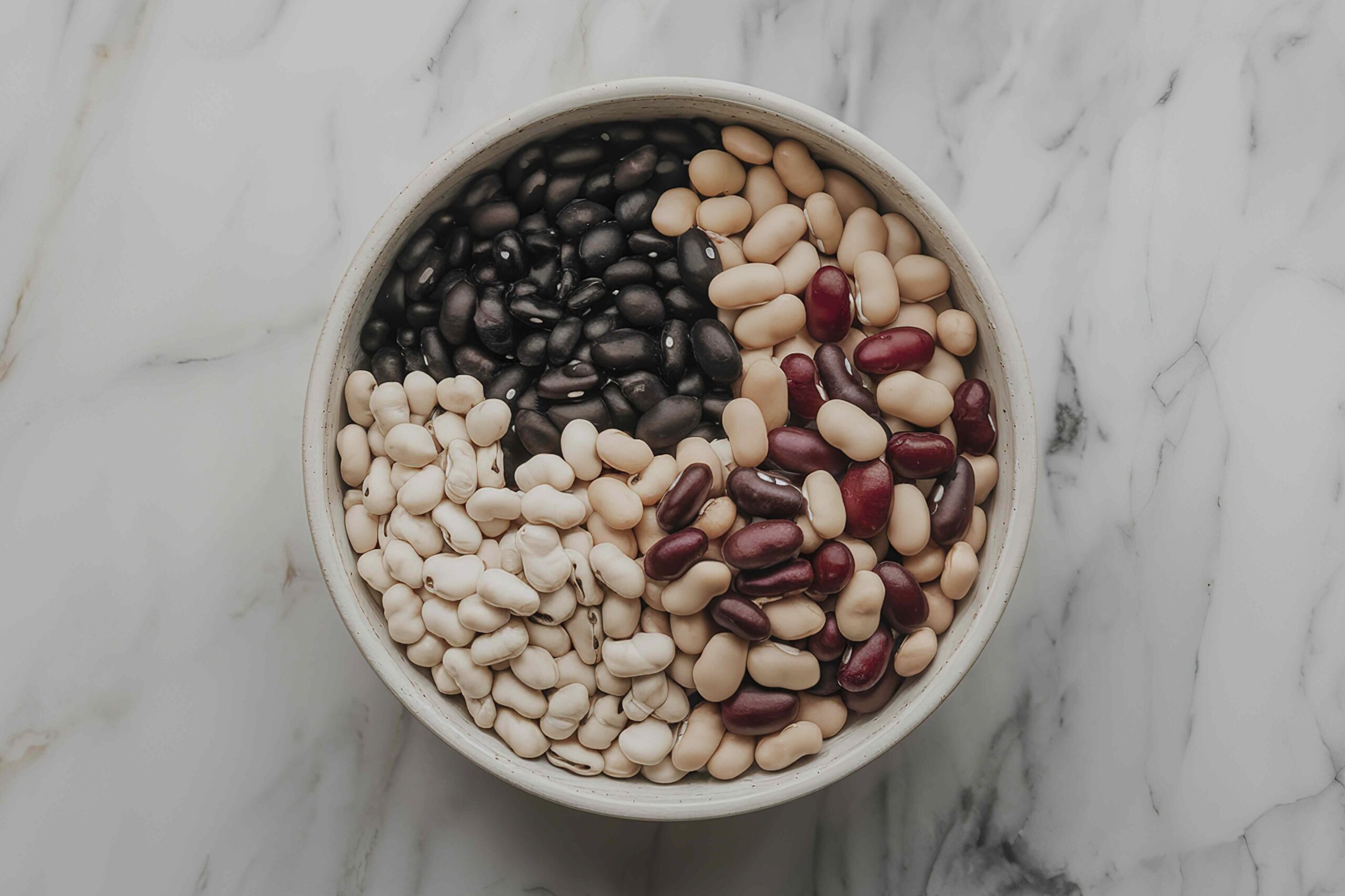
Beans are a well-known source of fiber, but several other foods deliver even more of this essential nutrient in a single serving. Adults need around 28 grams of fiber daily, and while a half-cup of beans provides a good start (4-8 grams), these six options can significantly boost your intake.
1. Whole Grains: A Fiber Powerhouse
Whole grains often surpass beans in fiber content.
* Hulled barley (1 cup): 31.8 grams (114% DV)
* Hard white wheat (1 cup): 23.4 grams (94% DV)
* Oat bran (1 cup): 14.5 grams (60% DV)
Minimally processed whole-grain breads, cereals, and crackers also contribute substantial fiber alongside valuable nutrients.
2. Chia Seeds: Tiny But Mighty
Just 2 tablespoons (1 ounce) of chia seeds pack nearly 10 grams of fiber – often exceeding what beans provide.
Chia seeds are especially rich in insoluble fiber, which promotes gut health by speeding up digestion, lowering the risk of constipation and metabolic problems like insulin resistance. They also deliver omega-3 fatty acids, protein, and amino acids for heart health and fullness.
3. Avocados: More Than Just Fat
One medium avocado (without pit or skin) contains roughly 9.3 grams of fiber (33% DV), alongside folate, vitamin K, and potassium. Research shows that substituting avocado for other carbs can improve insulin sensitivity, glucose control, and lower LDL (“bad”) cholesterol. Avocados also provide antioxidants and heart-healthy fats.
4. Raspberries: The Fiber-Rich Fruit
A 1-cup serving of raspberries delivers 8 grams of fiber (32% DV). These berries also boast antioxidants (polyphenols and vitamin C), which combat inflammation. Their low impact on blood sugar makes them ideal for metabolic conditions like diabetes and PCOS.
5. Artichokes: The Unexpected Fiber Champion
A cooked medium artichoke contains 6.8 grams of fiber (24% DV). Artichokes are high in inulin, a prebiotic fiber that supports gut health, digestion, and blood sugar regulation. They also provide potassium, vitamin C, folate, magnesium, and more. Note: Artichokes contain FODMAPs, which can trigger digestive issues in people with IBS.
6. Flaxseeds: A Small Seed With Big Benefits
2 tablespoons (1 ounce) of flaxseeds provide 5.62 grams of fiber (20% DV), along with manganese, magnesium, iron, and fatty acids. Ground flaxseeds are easier to digest than whole seeds. Consume in moderation with plenty of water to avoid bloating.
Increasing Fiber Intake Safely
Ramping up fiber intake too quickly can cause gas or bloating. Follow these tips:
- Gradual increase: Add fiber slowly over a few days.
- Hydrate: Drink plenty of water to aid digestion.
- Variety: Rotate fiber sources instead of relying on one food.
- Whole grains: Choose “whole-grain” products when shopping.
- Consult a pro: Individuals with gastrointestinal conditions should seek advice from a registered dietitian before increasing fiber.
Fiber is critical for digestive health, blood sugar control, and overall well-being. Diversifying your diet beyond beans ensures you get enough of this essential nutrient without discomfort.