Crohn’s disease is a chronic inflammatory condition affecting the digestive tract, causing symptoms like diarrhea, abdominal pain, fatigue, and unintentional weight loss. While dietary management is already a cornerstone of symptom control for many with Crohn’s, researchers are now investigating whether when and how much you eat can directly impact inflammation and immune function.
The idea isn’t about simply avoiding trigger foods, but about influencing the body’s internal processes through strategies like calorie restriction, intermittent fasting, and fasting-mimicking diets. However, this approach is not without caveats: many Crohn’s patients already struggle to maintain weight due to malabsorption and reduced appetite, making further restriction potentially harmful.
Why Calorie Restriction Might Help
The core rationale behind dietary interventions for Crohn’s lies in three interconnected mechanisms, according to Dr. Elena Ivanina, a gastroenterologist specializing in gut health. These include triggering cellular “cleanup” through autophagy, reducing inflammatory signaling molecules (cytokines ), and ultimately, resetting immune function.
Here’s how these processes work:
- Autophagy: This is the body’s natural way of clearing out damaged cells and debris when nutrients are scarce, like during fasting. Defects in autophagy-related genes may impair the gut’s ability to clear harmful bacteria and regulate the immune system in Crohn’s patients.
- Cytokines: These proteins act as messengers in the immune system. In Crohn’s, certain cytokines drive chronic inflammation by signaling the body to attack the gut lining. Calorie restriction may lower these pro-inflammatory cytokines, shifting the immune response.
- Immune Reset: Intermittent fasting and similar strategies have shown promise in managing autoimmune diseases like rheumatoid arthritis and psoriasis by giving the immune system a chance to rest and recalibrate.
Emerging research also suggests that these dietary patterns can influence the gut microbiome, promoting beneficial bacteria that tame inflammation.
What Human Studies Show So Far
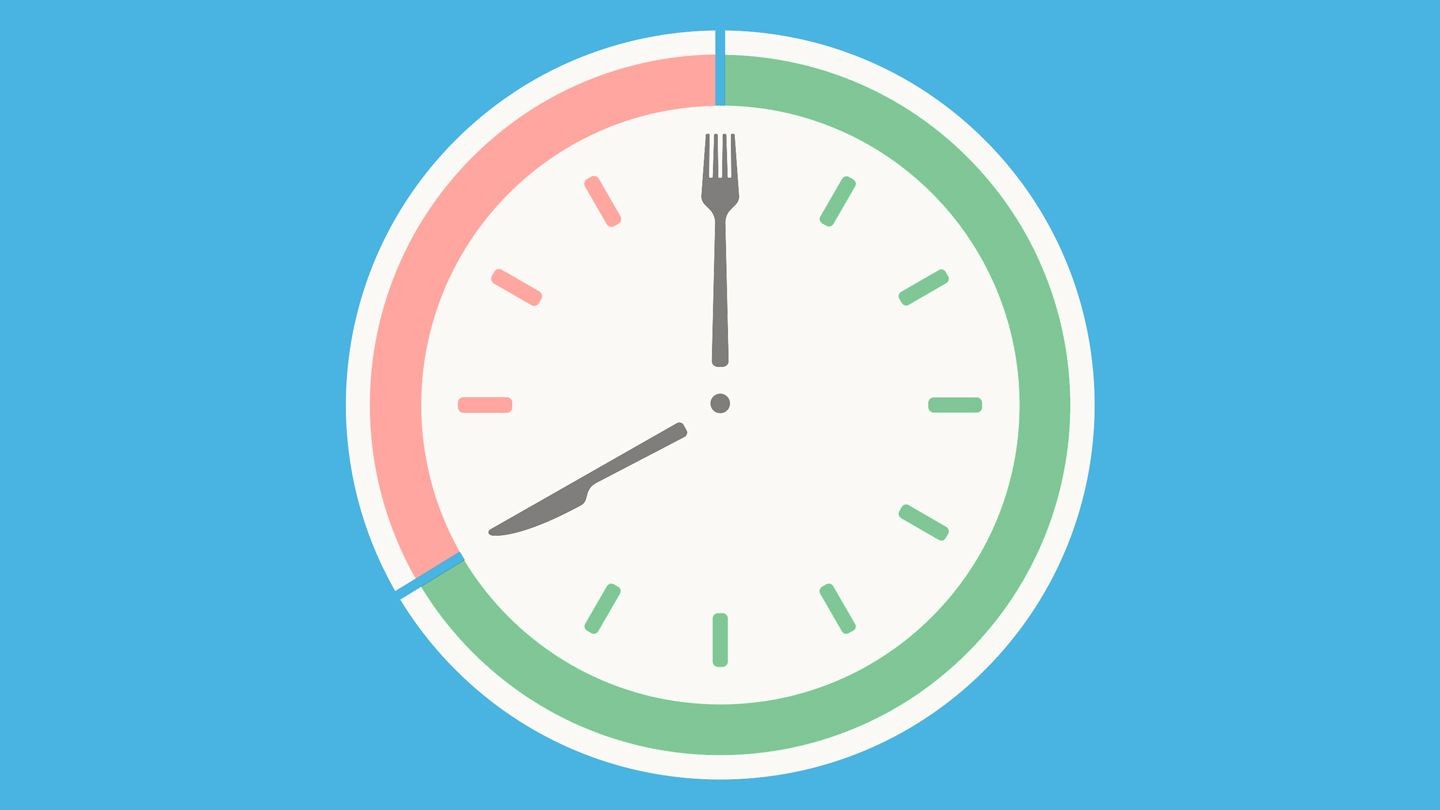
Initial findings came from animal studies, but human trials are now beginning to confirm potential benefits. A recent randomized controlled trial published in February 2026 found that adults with Crohn’s who followed an 8-hour daily eating window for 12 weeks experienced a 40% reduction in disease activity and a 50% reduction in abdominal discomfort. They also lost an average of 5.5 pounds and improved inflammatory markers. The researchers believe meal timing, not just quantity, drove these results.
Another study involving a fasting-mimicking diet showed that 69% of participants reported reduced disease activity, and 65% achieved remission after three months of monthly five-day periods of low-calorie, plant-based eating.
The Risk of Malnutrition: A Critical Consideration
Despite these positive signals, calorie restriction is not universally safe for Crohn’s patients. Many already face unintentional weight loss, poor nutrient absorption, and vitamin deficiencies. For these individuals, further restriction could worsen existing nutritional gaps.
The risk of malnutrition depends on which part of the bowel is affected by Crohn’s, but patients are generally at higher risk for deficiencies in vitamin B12, iron, and fat-soluble vitamins. Weight loss, muscle loss, and worsening symptoms are all potential consequences of unsupervised calorie restriction.
Dr. Ivanina emphasizes that those with active malnutrition, unintentional weight loss, severe symptoms, a history of eating disorders, or recent steroid use should avoid these diets altogether.
How to Approach Calorie Restriction Safely
If you have Crohn’s and are considering calorie restriction, it’s essential to consult with a healthcare team, including a gastroenterologist and a registered dietitian specializing in IBD. This evaluation should be ongoing, with close monitoring for weight loss, fatigue, worsening symptoms, or any signs of nutritional deficiency.
People with Crohn’s who are overweight or obese and have well-controlled disease may be the best candidates for this type of intervention, but it must be paired with an anti-inflammatory eating pattern.
The Bottom Line: Researchers are exploring the impact of when and how much you eat on Crohn’s disease, with early trials suggesting potential benefits for symptom management and inflammation. However, given the risk of malnutrition in many Crohn’s patients, these strategies should only be pursued under strict medical supervision.