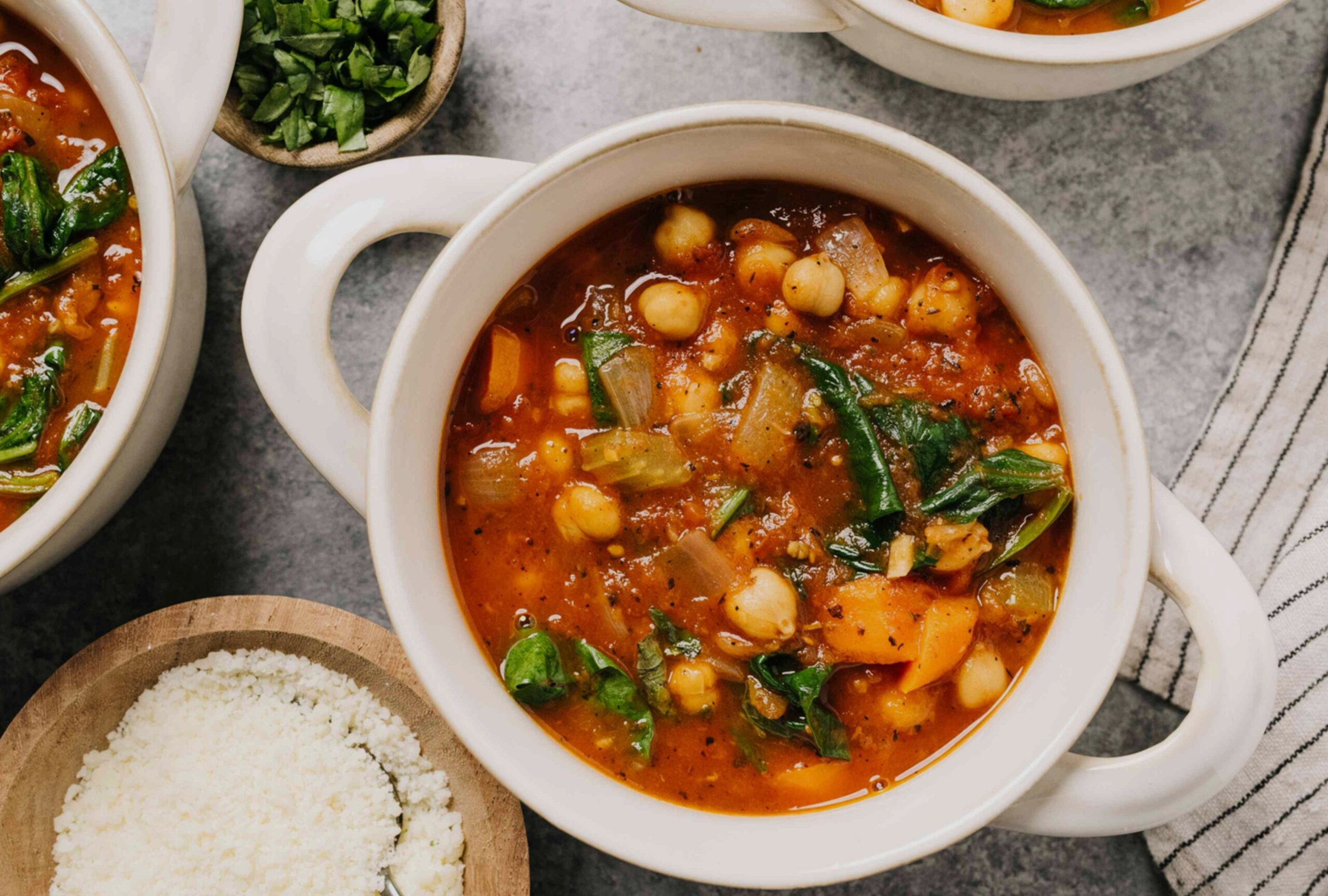
Chickpeas, also known as garbanzo beans, are a highly nutritious legume with significant benefits for health, sustainability, and culinary versatility. Beyond being a staple in many cuisines, chickpeas offer a compelling combination of fiber, protein, and essential nutrients that support blood sugar control, heart health, weight management, and gut wellness.
The Health Benefits of Chickpeas
Blood Sugar Control: Chickpeas are rich in fiber, a key component in managing blood sugar levels. Fiber slows down glucose absorption, leading to more stable insulin responses and potentially reducing the risk of insulin resistance. Untreated high blood sugar can cause serious health complications, including vision loss and kidney disease.
Heart Health Support: The fiber and unique compounds in chickpeas contribute to cardiovascular health. Soluble fiber helps lower LDL (“bad”) cholesterol, while flavonoids and phenolic acids act as antioxidants, reducing inflammation—a major driver of heart disease.
Weight Management: Chickpeas are naturally filling due to their high protein, fat, and fiber content. This promotes satiety, helping control appetite and reduce overeating. Studies suggest that incorporating chickpeas into the diet can aid in weight management and reduce obesity-related risks, such as type 2 diabetes and certain cancers.
Gut Health Improvement: High fiber intake from chickpeas promotes regular bowel movements and eases constipation. They also nurture a balanced gut microbiome, which is essential for reducing symptoms of inflammatory bowel disease (IBD), including diarrhea, nausea, and abdominal pain.
Environmental Sustainability: Chickpeas are an eco-friendly food source. They require less water than many other protein sources, making them ideal for drought-prone regions. Furthermore, they enrich the soil with nutrients, reducing the need for synthetic fertilizers.
Nutritional Profile of Chickpeas (per 1-cup serving)
Chickpeas are densely packed with essential nutrients:
- Calories: 269
- Fat: 4.25g
- Sodium: 399mg
- Carbohydrates: 44.9g
- Fiber: 12.5g
- Protein: 14.5g
They also provide significant amounts of:
- Manganese: Essential for energy production and immune function.
- Folate: Critical for DNA synthesis.
- Iron: Supports oxygen transport.
- Magnesium: Regulates blood sugar, pressure, and muscle function.
- Potassium: Controls blood pressure and nerve function.
- Zinc: Boosts the immune system.
- Antioxidants: Protect against chronic diseases, including heart disease and certain cancers.
Potential Side Effects and Mitigation
While chickpeas are generally safe, some individuals may experience gas and bloating due to their high FODMAP content. Gradual fiber increase can minimize digestive upset. Soaking dry chickpeas overnight can also reduce gas-inducing compounds. Chickpeas are naturally gluten-free and rarely cause allergies.
Versatile Culinary Uses
Chickpeas are incredibly versatile in the kitchen:
- Breakfast: Blend into smoothies or mash for scrambles.
- Lunch: Roast for salads or snacks.
- Dinner: Add to soups, stir-fries, curries, tacos, or use as a base for falafel or veggie burgers.
- Dessert: Transform into cookies, brownies, or even chocolate truffles.
Additionally, aquafaba —the liquid from canned or cooked chickpeas—can substitute eggs in vegan baking, creating meringues, mayonnaise, or ice cream.
Chickpeas aren’t just a food; they’re a sustainable, nutritious, and adaptable ingredient with the potential to improve health and environmental impact. Their versatility extends from savory meals to surprisingly delicious desserts, making them a valuable addition to any diet.