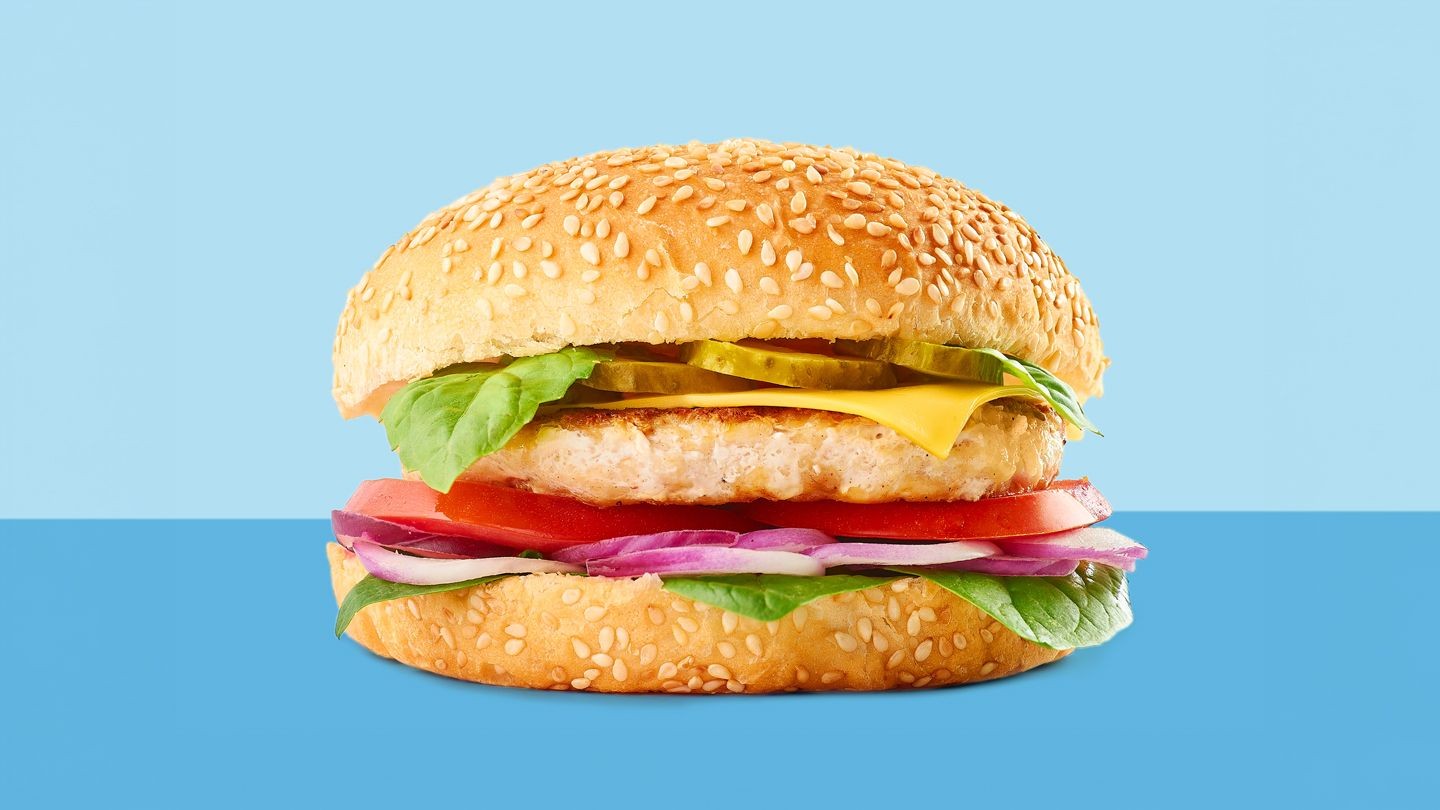
Fast food remains deeply ingrained in American eating habits, with roughly one-third of adults consuming at least one quick-service meal daily. While convenience and affordability have long been the primary drivers, the industry is undergoing a quiet shift toward more nutritious options. Consumers now have increasing access to choices that are less calorie-dense, lower in fat, and better aligned with health-conscious diets. This change isn’t accidental; it’s a result of public pressure, regulatory requirements, and evolving consumer preferences.
The Rise of Nutritional Transparency
For decades, fast food was synonymous with high-calorie, high-fat indulgence. But recent changes are making it easier to navigate the menus. The U.S. Food and Drug Administration (FDA) now mandates that larger chains display detailed nutritional information – including calories, fat content, sodium levels, and sugar counts – both in restaurants and online. This transparency empowers diners to make informed decisions, rather than relying solely on habit or impulse.
Cooking Methods Evolving
Beyond just listing numbers, fast-food chains are also modifying how they prepare food. Grilling and broiling are becoming more common alternatives to deep-frying. You can now find grilled chicken salads and broiled fish sandwiches just as easily as burgers and fries at many locations. This shift reflects a broader industry trend toward healthier options, driven by consumer demand and a desire to improve public perception.
Swapping Out the Classics
The most significant gains come from swapping out less healthy choices for better alternatives. Instead of fries, consider a baked potato, apple slices, or a side of fruit. Many chains also offer salads topped with grilled protein, providing a more balanced meal. The key is to be mindful of toppings and condiments, which can quickly undo the benefits of a healthier base.
Kid-Friendly Options Improve
Changes extend to children’s menus as well. Many fast-food chains now offer low-fat milk, 100% fruit juice, and fruit cups instead of sugary sodas and high-fat fries as default options for kids’ meals. This subtle but important shift helps promote healthier eating habits from a young age.
The Trans Fat Phase-Out
Perhaps the most impactful change has been the removal of trans fats. The FDA’s ruling against partially hydrogenated oils has significantly improved the nutritional profile of many fast-food items, particularly concerning heart health. Eliminating trans fats reduces the risk of LDL cholesterol spikes and chronic disease.
Despite these improvements, experts still advise consumers to remain vigilant. Asking about ingredients and preparation methods can further clarify a meal’s nutritional value.
Fast food isn’t inherently “healthy,” but the industry’s evolution is making it easier to choose better options. By leveraging transparency, improved cooking techniques, and more nutritious alternatives, diners can enjoy convenience without sacrificing their well-being.