


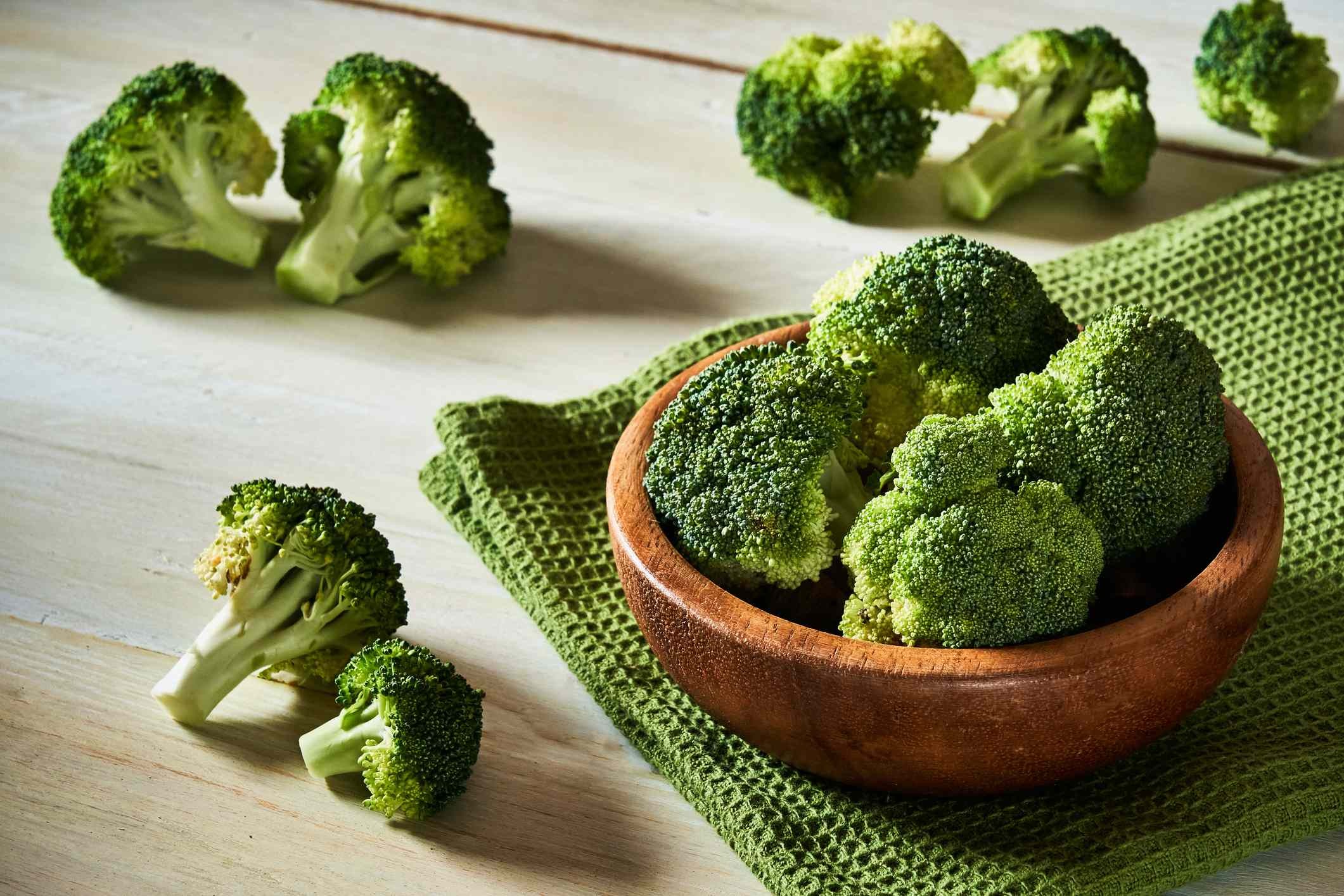
Broccoli is a nutritional powerhouse, packed with vitamins, minerals, and cancer-fighting compounds like sulforaphane. But how you prepare it significantly impacts how many of these benefits you actually receive. While often touted as universally healthy, certain cooking methods destroy key nutrients, while others actually enhance them.
The Best Methods: Nutrient Retention vs. Flavor
The choice between preserving nutrients or maximizing flavor depends on your priorities. Research confirms that steaming and microwaving preserve the highest levels of vitamins and antioxidants in broccoli, while light sautéing in olive oil boosts flavor and nutrient absorption with minimal loss.
- Steaming: This method, using a steamer basket with a lid, keeps broccoli crisp and retains its vitamin C content. Seasoning with garlic, lemon, or chili flakes can enhance the taste without compromising nutritional value.
- Microwaving: Surprisingly, microwaving can increase sulforaphane levels due to rapid heating and minimal water contact. This makes it a quick, efficient way to preserve nutrients.
- Light Sautéing: A quick stir-fry in olive oil doesn’t just improve flavor; it also aids in absorbing glucosinolates and isothiocyanates – potent plant compounds linked to health benefits.
The key is moderation: brief cooking times and moderate heat prevent excessive nutrient breakdown.
The Worst Methods: Nutrient Loss and Texture Degradation
Some cooking methods drastically reduce broccoli’s health value. Boiling is the worst offender, leaching water-soluble vitamins and compounds into the cooking water. Overcooking, regardless of the method, destroys heat-sensitive nutrients and turns broccoli mushy.
- Boiling: Avoid it. Most studies show boiling leads to the greatest nutrient loss.
- Overcooking: Prolonged exposure to high heat degrades vitamin C and phytochemicals.
Maintaining broccoli’s vibrant green color is a good indicator of nutrient retention; if it turns dull or mushy, you’ve likely overcooked it.
Maximizing Benefits: Simple Steps for Better Broccoli
You can further enhance broccoli’s nutritional value with a few easy adjustments:
- Even Cuts: Uniform florets ensure consistent cooking.
- Don’t Discard Stems: Broccoli stems are rich in vitamin C and can be used in soups, stir-fries, or roasted as a snack.
- Flavor Pairings: Olive oil, citrus, and spices enhance taste and aid nutrient absorption.
- Minimal Water: Excessive water leaches nutrients. Use only what’s necessary for steaming or sautéing.
“Cooking vegetables for extended periods is not ideal for preserving their nutritional value,” says Kristen Smith, RDN, of the Academy of Nutrition and Dietetics.
Ultimately, the best way to cook broccoli depends on your goals. If preserving nutrients is paramount, steaming or microwaving is best. If you prioritize flavor, a quick sauté will deliver both taste and some nutritional benefits.
Cooking broccoli right isn’t just about health; it’s about getting the most from a superfood. By choosing the right method, you maximize its potential to protect and nourish your body.


