Beets, the vibrantly colored root vegetable, are a nutritional powerhouse with proven benefits for heart health, blood pressure control, and even athletic performance. The key to unlocking these advantages lies in how you prepare them. Here’s a breakdown of the six most effective ways to eat beets, backed by scientific insights, to maximize their impact on your well-being.
1. Raw Beets: Preserving Peak Nitrate Levels
Eating beets raw preserves the highest concentration of heat-sensitive nutrients. Beets contain natural nitrates, which your body converts into nitric oxide—a compound that relaxes blood vessels, improving circulation and lowering blood pressure.
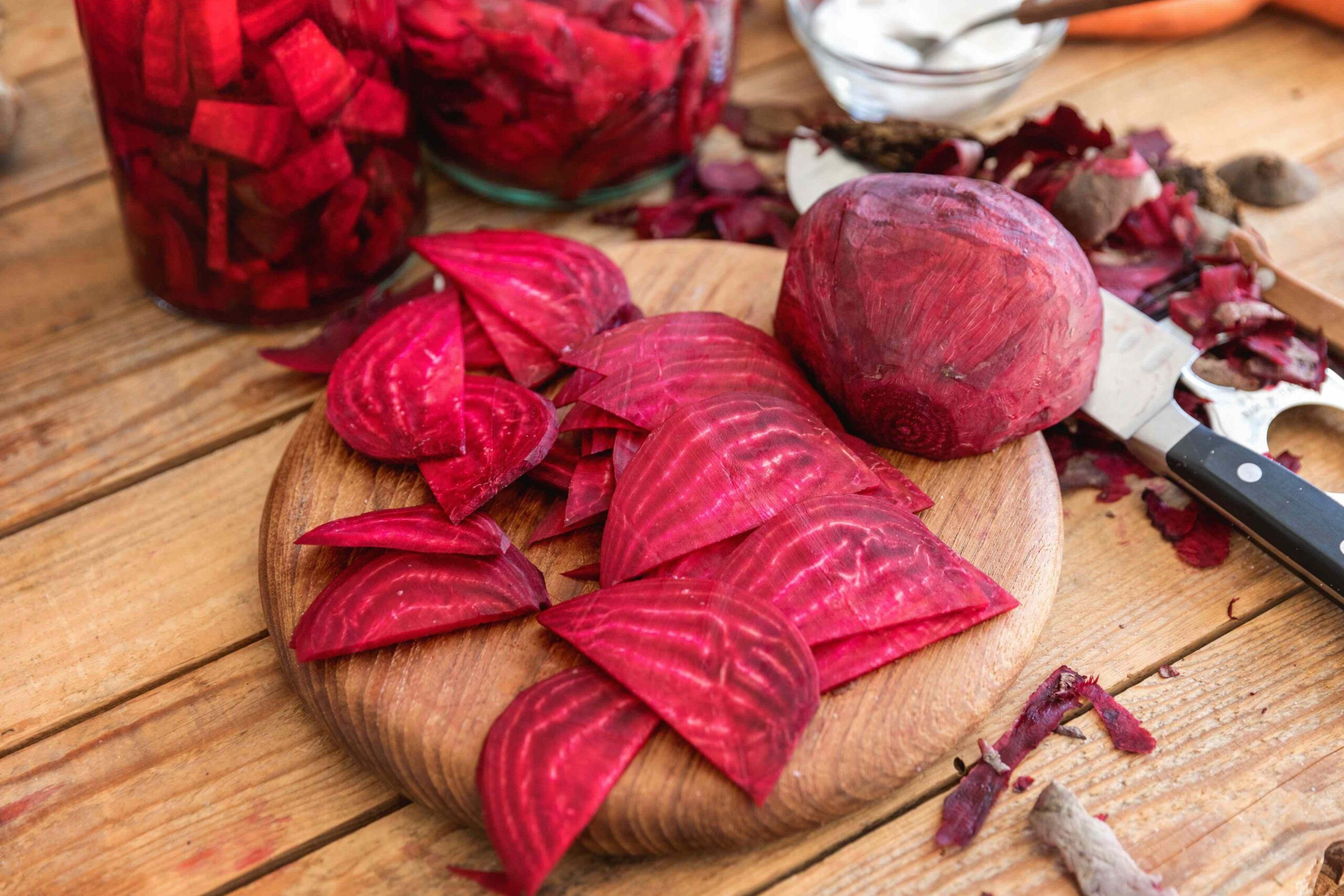
To make raw beets more palatable, shred them into salads, slaws, or grain bowls. Marinating them in acidic liquids like lemon juice or vinegar helps soften their texture.
2. Steamed Beets: A Nutrient-Retention Sweet Spot
Steaming is a gentle cooking method that minimizes nutrient loss. Unlike boiling, it avoids leaching water-soluble vitamins (like Vitamin C and B vitamins) into the cooking water. Steaming also preserves folate, essential for cell growth and red blood cell production.
Steamed beets are tender and versatile. Enjoy them as a side dish, in salads, or blended into smoothies for a smooth texture and concentrated nutrition.
3. Roasted Beets: Enhanced Flavor & Nutrient Stability
Roasting beets intensifies their natural sweetness without added sugar. The dry heat caramelizes the sugars, creating a richer flavor profile while retaining most of their nutrients.
Leaving the skin on during roasting further preserves minerals and moisture. Betalains, the antioxidants responsible for beets’ vibrant color and anti-inflammatory properties, are also well-preserved through this method. A drizzle of olive oil enhances absorption of fat-soluble vitamins A and E, supporting immune function and vision health.
4. Fermented Beets: Probiotic Power & Digestive Support
Fermentation preserves beet nutrients while introducing beneficial probiotics to your gut microbiome. This process utilizes natural bacteria to enhance preservation and produce compounds that support digestive health.
Fermented beets deliver probiotics that balance gut bacteria, improve digestion, and strengthen immunity. Nitrates remain intact, continuing to support blood flow and healthy blood pressure. Beet kvass (a fermented beet drink) and sliced fermented beets both offer probiotic advantages.
5. Beet Juice: Rapid Nutrient Absorption
Beet juice provides a concentrated dose of nutrients absorbed quickly by the body. High levels of natural nitrates can improve blood flow and lower blood pressure. Studies suggest that drinking beet juice before exercise may boost endurance by enhancing oxygen utilization.
However, juicing removes most of the fiber, which aids digestion and stabilizes blood sugar. To compensate, pair beet juice with high-fiber foods like vegetables, beans, or whole grains.
6. Beet Greens: An Often-Overlooked Superfood
Beet greens, the leafy tops of beets, are packed with nutrients and often discarded. These greens offer a mild, earthy flavor and reduce food waste. They are an excellent source of calcium for strong bones, vitamin A for vision and immunity, vitamin E as an antioxidant, and iron for oxygen transport.
The high fiber content in beet greens promotes healthy digestion. Sauté, steam, or add them to salads for a nutrient-rich boost to your meals.
Conclusion: Beets offer diverse health benefits depending on how they’re consumed. From preserving nitrates by eating them raw to maximizing probiotic intake through fermentation, each method unlocks unique advantages. Incorporating beets into your diet in various forms is a simple yet powerful strategy for improving overall health and well-being.