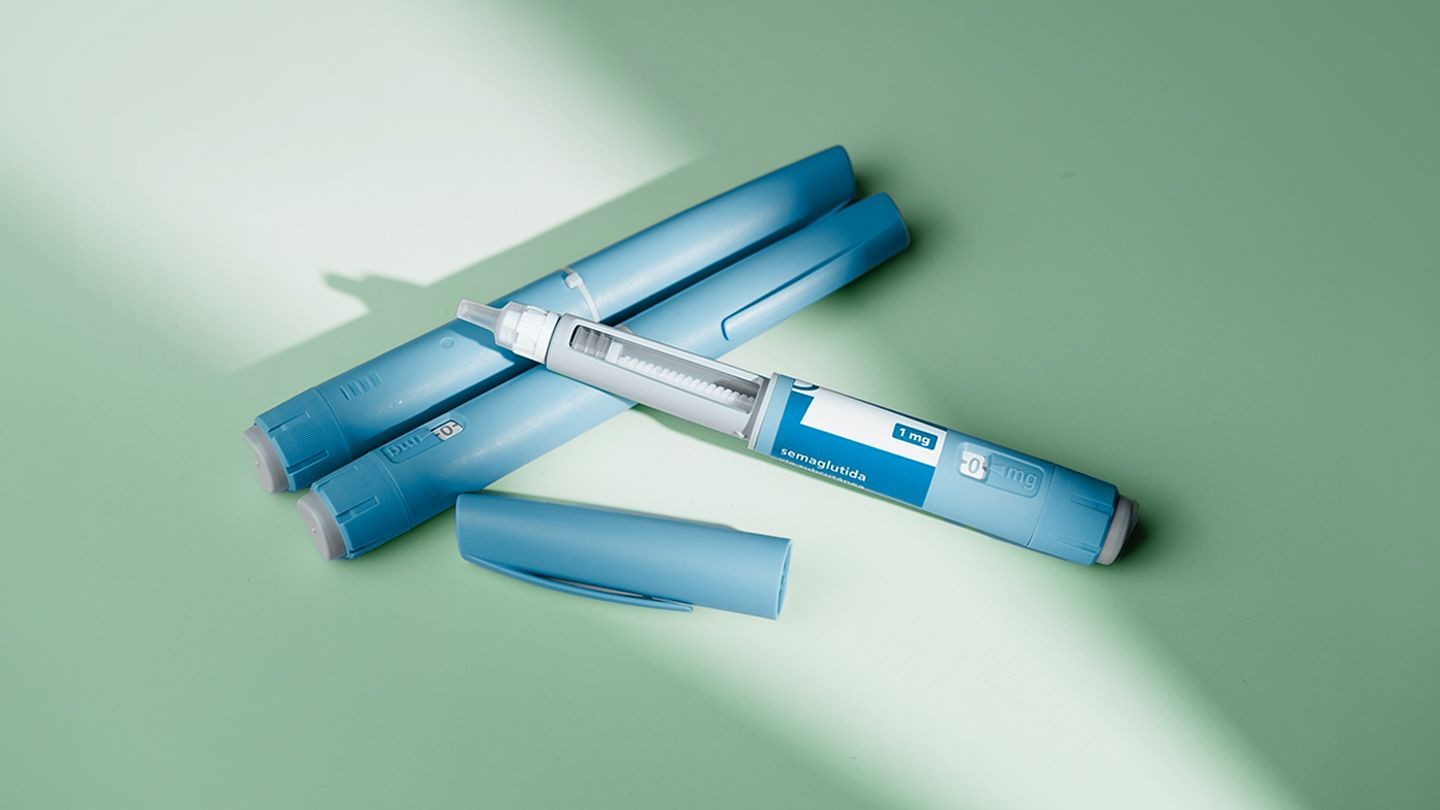
The popular weight loss drugs semaglutide (Ozempic, Wegovy) and tirzepatide (Mounjaro, Zepbound) offer rapid weight loss and reduced appetite. However, experts warn these benefits can be dangerous for individuals at risk of, or actively struggling with, eating disorders like anorexia or bulimia. The drugs’ effects closely mimic disordered eating behaviors, making relapse more likely.
The Overlap Between Medication and Illness
The core problem is the drugs’ mechanism. They induce appetite suppression and rapid weight loss—hallmarks of restrictive eating disorders. This overlap creates confusion for both patients and healthcare providers, making it difficult to distinguish between the drug’s intended effects and a relapse into disordered eating. Worse, the drugs can reinforce unhealthy behaviors by validating the desire for extreme weight loss.
Limited research exists, but clinicians report a surge in cases. Telehealth companies often lack thorough mental health screenings, prescribing these medications without adequate evaluation of a patient’s eating disorder history. Some doctors even prescribe them off-label for binge eating disorder, despite the lack of approval, further normalizing their misuse.
Weight Stigma and Cultural Pressures
The increasing popularity of GLP-1s reinforces a culture fixated on thinness as health. This environment is especially dangerous for those in recovery, where even rapid weight loss can trigger relapse. Friends’ comments and societal pressures validate the idea that thinner is better, undermining years of therapeutic progress.
The drugs also disrupt intuitive eating, a recovery strategy that helps individuals reconnect with natural hunger cues. GLP-1s chemically override these signals, making it harder to trust bodily sensations and maintain a healthy relationship with food.
The Risk of Purging Behaviors
The gastrointestinal side effects of GLP-1s—nausea, vomiting, diarrhea—mirror purging behaviors associated with bulimia. Individuals with a history of self-purging are particularly vulnerable to relapse if these symptoms emerge. Clinical guidelines advise against using these medications in active bulimia cases.
Safe Use Requires a Collaborative Approach
To minimize risk, individuals with an eating disorder history should involve their full care team before starting GLP-1s. The ideal scenario involves joint discussion between the patient, the prescribing doctor, and their eating disorder specialist. A clear safety plan is essential, monitoring for urges, setting weight loss boundaries, ensuring adequate nutrition, and establishing a strategy to adjust or discontinue the medication if symptoms worsen.
The Bottom Line
GLP-1 drugs can dangerously mirror or validate eating disorder symptoms, potentially undermining recovery efforts. The accessibility of these medications and insufficient screening increase misuse. For those at risk, these powerful drugs should only be used under close supervision with a collaborative care team and a clear safety plan.
Editorial Sources:
Everyday Health follows strict sourcing guidelines to ensure the accuracy of its content, outlined in our editorial policy. We use only trustworthy sources, including peer-reviewed studies, board-certified medical experts, patients with lived experience, and information from top institutions.