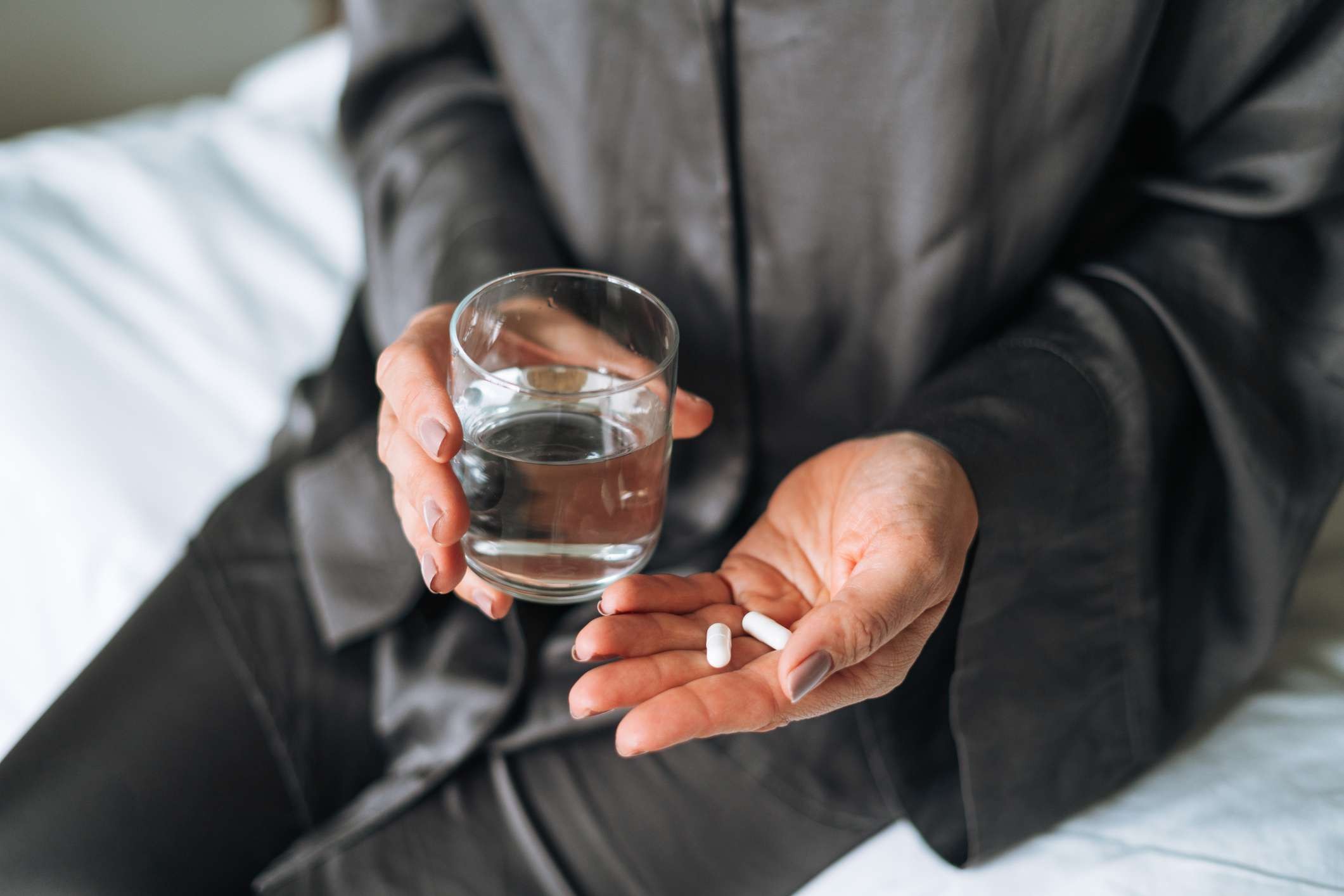
Both L-theanine and melatonin are popular supplements for improving sleep, but they work in very different ways. Understanding these differences is crucial for choosing the right option – or determining if neither is right for you. This guide breaks down how each substance affects sleep, their supporting evidence, and potential downsides.
How L-Theanine Works
L-theanine is an amino acid naturally found in tea, particularly green, black, white, and oolong varieties. Unlike melatonin, it doesn’t directly make you sleepy. Instead, L-theanine promotes relaxation by influencing neurotransmitters in the brain. Specifically, it boosts levels of GABA (a calming chemical), serotonin, and dopamine – all of which can reduce anxiety and slow brain activity.
Studies show that a 200mg dose before bed may improve sleep quality without causing daytime drowsiness, a significant advantage for those who don’t want to feel groggy the next day. While research is less extensive than for melatonin, the existing evidence suggests L-theanine enhances alpha waves in the brain, further promoting relaxation.
How Melatonin Works
Melatonin is a hormone your brain naturally produces in response to darkness, signaling your body it’s time to sleep. Melatonin supplements essentially mimic this process, helping regulate your sleep-wake cycle. This makes it effective for jet lag, shift work, or simply falling asleep faster.
Research strongly supports melatonin’s effectiveness. Studies indicate it can improve sleep quality in individuals with respiratory issues or sleep disorders, with some participants falling asleep 7–30 minutes faster. A typical dose ranges from 0.1mg to 10mg, with 2–3mg taken up to two hours before bedtime being common.
Key Differences & Considerations
| Feature | L-Theanine | Melatonin |
|---|---|---|
| Mechanism | Promotes relaxation via neurotransmitters | Mimics natural sleep hormone |
| Daytime Drowsiness | Minimal | Possible |
| Sleep Time Increase | ~22 minutes average | ~50 minutes average |
| Research Volume | Less extensive | Widely studied |
While melatonin offers more immediate sleep benefits, it can come with side effects such as daytime grogginess. Recent research also suggests potential long-term risks, including a possible link to increased heart failure with prolonged use. L-theanine, on the other hand, is gentler but may not be powerful enough for those with severe sleep issues.
Final Thoughts
Both L-theanine and melatonin can enhance sleep quality, but neither is a magic bullet. Prioritizing good sleep hygiene (consistent schedule, dark room, no screens before bed) remains the most effective approach. If you’re considering supplements, discuss them with your healthcare provider to determine the best fit for your needs and avoid potential risks.