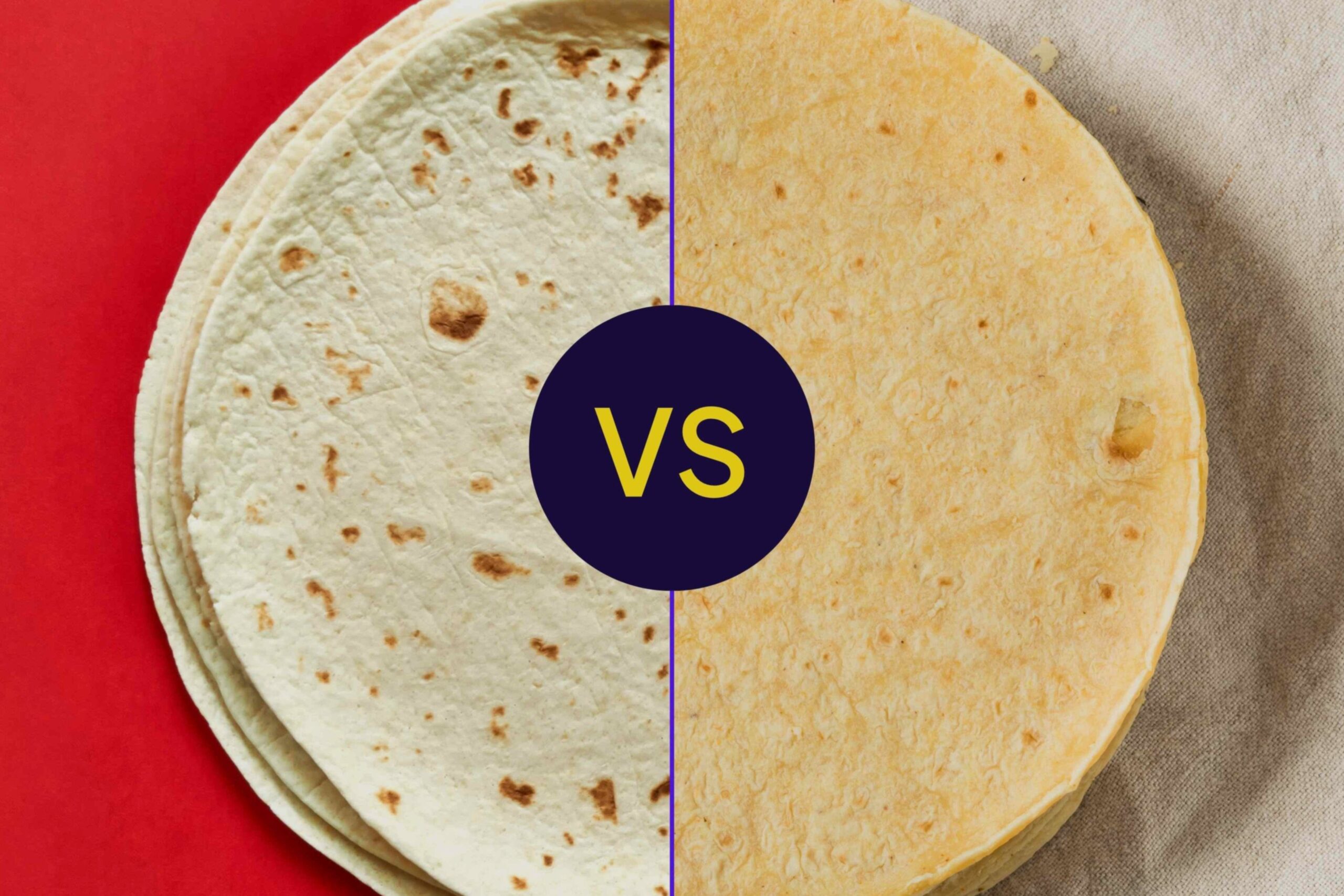
For anyone watching their weight, blood sugar, or simply trying to eat healthier, the choice between corn and flour tortillas matters more than many realize. While both can fit into a balanced diet, corn tortillas generally offer distinct advantages in fiber content, calorie density, and sodium levels. Here’s a detailed look at how these differences impact your health goals.
Weight Loss: Fiber and Calorie Counts
When it comes to weight management, overall diet quality is key. However, making smart food choices can significantly aid your efforts. Corn tortillas stand out because they provide more than double the fiber of flour tortillas. Fiber slows digestion, promotes fullness, and supports the release of hormones that signal satiety. Studies show fiber intake is a strong predictor of body weight, independent of calorie or macronutrient consumption.
Additionally, corn tortillas are lower in calories. This makes them a more weight-loss-friendly option, though portion control remains crucial.
Blood Sugar Control: Slow and Steady Wins the Race
For those managing blood sugar, fiber is equally important. Corn tortillas help slow glucose absorption, leading to a gentler rise in blood sugar levels. They also have slightly fewer carbs, the primary nutrient affecting blood sugar.
Pairing any carbohydrate source with protein (like chicken or beans) further stabilizes blood sugar by slowing digestion. Smaller portions, especially of carb-rich foods, are also recommended.
Fiber Intake: A Gut-Friendly Choice
If increasing fiber intake is a goal, corn tortillas are the better pick. Registered Dietitian Staci Gulbin notes they’re likely to keep you fuller longer and benefit gut health with regular consumption. While corn tortillas are higher in fiber, you can maximize benefits by combining them with high-fiber ingredients like beans and vegetables.
Gluten Sensitivity: A Clear Winner
For individuals with celiac disease or gluten intolerance, corn tortillas are a safe, naturally gluten-free option. Flour tortillas, made with wheat flour, contain gluten and are unsuitable for those avoiding it.
Protein and Sodium: Minor Differences, Major Implications
Flour tortillas provide slightly more protein, though neither type is a significant protein source. For a complete meal, it’s best to add protein-rich fillings like chicken, tofu, or eggs.
A more substantial difference lies in sodium content. Flour tortillas can contain significantly more sodium (up to 364mg in a 49-gram serving) compared to corn tortillas (just 22mg). This makes corn tortillas a better choice for salt-sensitive individuals, those with high blood pressure, or kidney disease.
Nutritional Comparison at a Glance
| Nutrient | Corn Tortilla (49g) | Flour Tortilla (49g) |
|---|---|---|
| Calories | ~60 | ~80 |
| Fiber | ~1.5g | ~0.5g |
| Sodium | ~22mg | ~364mg |
| Carbohydrates | ~13g | ~16g |
Ultimately, the choice depends on your specific dietary needs and preferences. However, for those prioritizing fiber, blood sugar control, and sodium reduction, corn tortillas offer clear advantages.