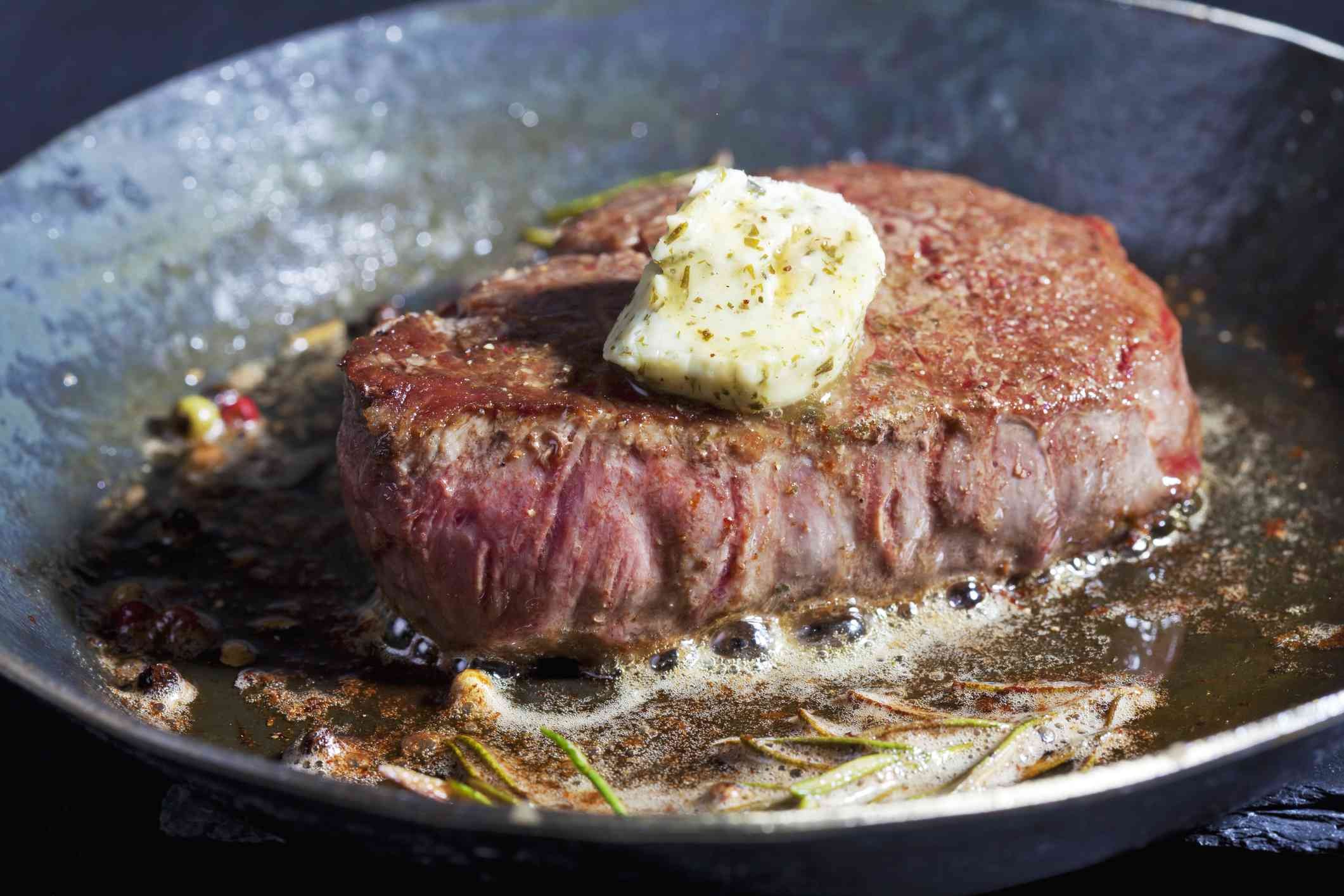
Both beef tallow and grass-fed butter are gaining popularity for their potential health benefits, yet understanding their nutritional profiles and drawbacks is crucial for informed dietary choices. This article breaks down the key differences between the two fats, providing a clear comparison for consumers.
Nutritional Breakdown
Here’s a side-by-side comparison of the macronutrient content per tablespoon (approximately 12.8 grams for tallow, 14 grams for butter):
| Nutrient | Beef Tallow | Grass-Fed Butter |
|---|---|---|
| Calories | 115 | 100 |
| Total Fat | 12.8g | 12g |
| Saturated Fat | 6.4g | 8g |
| Unsaturated Fat | 5.9g | 4g |
| Cholesterol | 14mg | 30mg |
The key takeaway is that both fats are high in saturated fat, a concern for individuals watching their heart health. While the differences aren’t drastic, the higher cholesterol content in butter should be noted.
The Case for Beef Tallow
Beef tallow, rendered animal fat, has seen a resurgence, not only in cooking but also in skincare due to its hydrating properties (though most evidence is anecdotal). Its primary benefit lies in its conjugated linoleic acid (CLA) content.
CLA has been linked in studies to improved metabolic health, immune function, and even potential weight management. However, it’s important to recognize that most CLA research focuses on supplements, not dietary fat intake, and high-dose supplementation can have side effects like insulin resistance.
Tallow is also a stable cooking fat with a high smoke point (420°F/216°C), making it ideal for high-heat methods like frying and searing. Its neutral flavor is surprisingly versatile, working well in both savory dishes and as a base for spreads.
The Benefits of Grass-Fed Butter
Grass-fed butter stands out because the diet of the cows affects the nutrient profile of the milk, and therefore the butter. Pasture-raised cows produce butter with higher levels of CLA and vitamin A compared to grain-fed cows.
One tablespoon provides roughly 10% of the daily vitamin A requirement for men and slightly more for women, which is important because vitamin A is essential for vision, immune function, and cell growth.
Butter also contains small amounts of vitamins E and K. However, individuals with cow’s milk allergies should avoid it entirely, while those with lactose intolerance can generally consume it in moderation due to its low lactose content.
Health Concerns and Recommendations
The American Heart Association (AHA) recommends limiting saturated fat intake to less than 6% of daily calories, citing its link to heart disease. Both beef tallow and grass-fed butter exceed this recommendation, meaning moderation is crucial.
Consumers should prioritize unsaturated fats, such as olive oil or avocado oil, for overall heart health. If using tallow or butter, do so sparingly and consider them a treat rather than a dietary staple.
Practical Use Cases
Beef tallow excels in high-heat cooking where its neutral flavor won’t compete with other ingredients. Grass-fed butter is best suited for lower-temperature applications like baking, sautéing, or spreading on toast.
Both can enhance flavor profiles, but conscious consumption is key to maintaining a balanced diet.
Conclusion: Both beef tallow and grass-fed butter offer unique nutritional benefits, but their high saturated fat content necessitates moderation. Understanding these differences empowers consumers to make informed choices that align with their health goals.