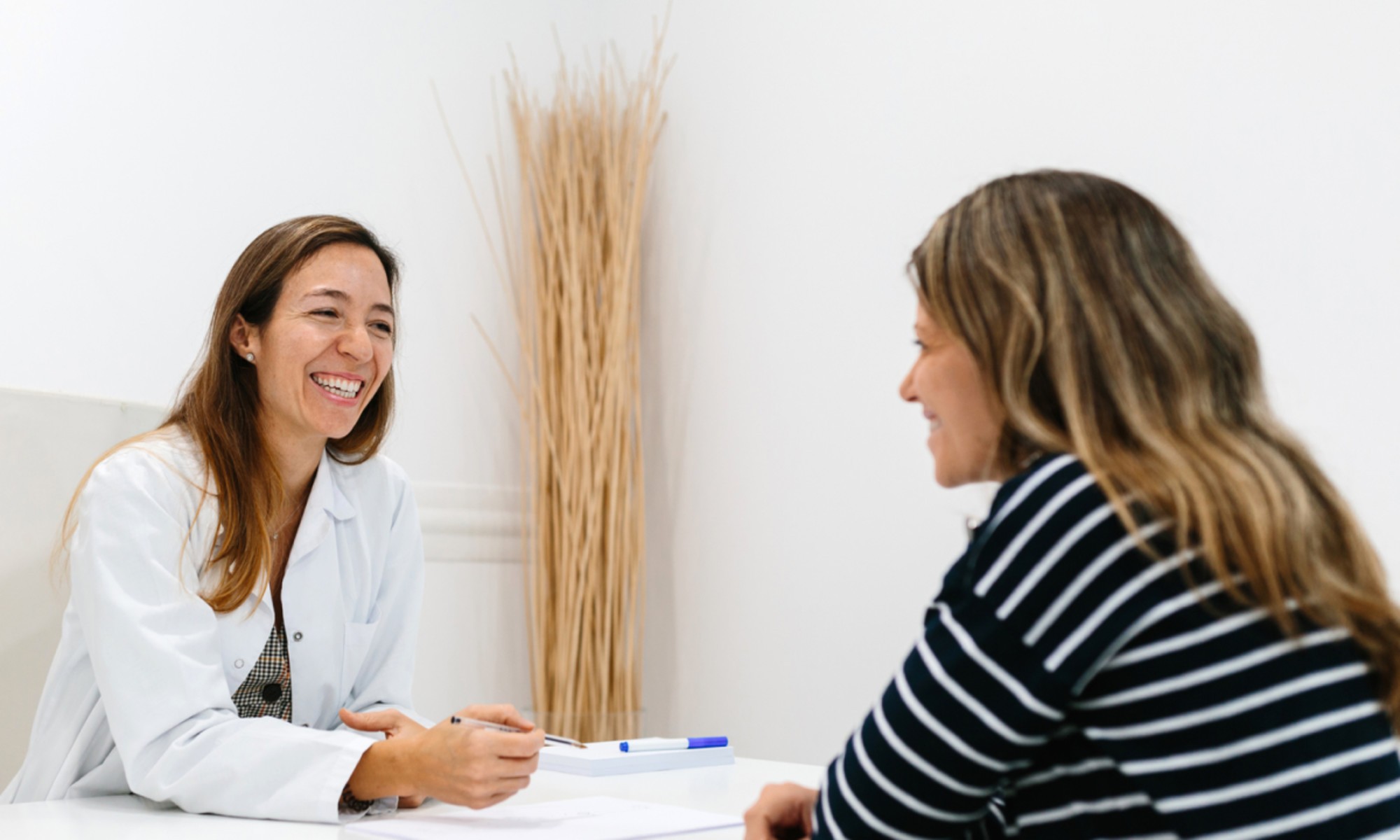
Social media often spreads conflicting advice about women’s health, leaving many confused about what truly impacts their hormones. To cut through the noise, Dr. Lucky Sekhon, a board-certified OB/GYN and reproductive endocrinologist, clarifies three widespread beliefs. Here’s what the science actually says.
Resistance Training & Hormone Balance: A Qualified Yes
Dr. Sekhon confirms that resistance training can positively influence hormone health, primarily by combating insulin resistance. Muscle tissue is more metabolically active than fat, meaning it helps the body process glucose efficiently. Improved insulin sensitivity then creates a cascade effect, impacting sex, appetite, and stress hormones as well.
Many people experience some degree of insulin resistance, and building muscle is an effective way to counteract it. While not a magic bullet, it’s a powerful tool for hormonal optimization.
Stress & Fertility: The Reality Check
Extreme stress can disrupt fertility, particularly when coupled with severe caloric restriction or excessive energy expenditure. This type of physiological stress can suppress reproductive hormones, leading to irregular cycles and impaired ovulation. However, everyday stressors from work or personal life are unlikely to have a direct impact on fertility.
Managing chronic stress remains important, as it can snowball into other health concerns, but panic over daily pressures is often unwarranted.
Diet & Fertility: It’s Not Just About Food
While diet is undeniably crucial, Dr. Sekhon emphasizes that it’s not the sole determinant of fertility. Nutrient-rich eating patterns, like the Mediterranean diet, can significantly support reproductive health. This approach, known for its heart-healthy benefits, also boosts fertility through its abundance of antioxidants, lean proteins, and avoidance of processed foods.
“Anything that’s better for heart health tends to be better for fertility,” says Sekhon. But, it’s not a cure-all; other lifestyle factors and medical conditions also play a role.
The Bottom Line
Supporting hormone health requires a holistic approach. While diet and exercise are powerful tools, managing stress and seeking professional guidance remain essential. Oversimplifying the process can lead to frustration and misinformation. If you want to learn more about reproductive health, Dr. Sekhon’s new book, The Lucky Egg, provides evidence-based advice on navigating fertility at any stage of life.