Eczema isn’t a single disease but a collective term for inflammatory skin conditions causing rashes, itching, and discomfort. Affecting roughly 10% of the U.S. population—over 31 million people—eczema is a widespread issue with diverse forms, causes, and management strategies.
Types of Eczema: More Than Just One Condition
Several distinct types of eczema exist, each with unique characteristics:
- Atopic Dermatitis: The most prevalent form, often starting in infancy, marked by inflamed, cracked skin that can “weep” fluid. It’s a chronic condition with periods of flares and remission.
- Contact Eczema (Contact Dermatitis): A localized reaction to irritants or allergens, causing immediate inflammation and itching.
- Hand Eczema: Specific to the hands, presenting as dry, scaly, cracked skin often caused by irritants.
- Dyshidrotic Eczema: Small, itchy blisters on fingers, toes, palms, and soles—often linked to stress or allergies.
- Nummular Eczema: Coin-shaped, itchy spots appearing on the skin.
- Stasis Dermatitis: Caused by poor circulation, leading to fluid leakage and skin inflammation.
- Seborrheic Dermatitis: Scaly patches, often on the scalp, face, and ears, possibly linked to skin microorganisms.
What Causes Eczema? A Combination of Factors
Eczema isn’t contagious, but it arises from a mix of genetic predisposition, immune system dysfunction, and environmental triggers. People with eczema often have a compromised skin barrier, unable to retain moisture effectively. This leads to dryness, inflammation, and increased susceptibility to irritants.
The immune system overreaction plays a key role; even without harmful substances present, inflammation occurs. Common triggers include harsh soaps, detergents, cigarette smoke, fragrances, synthetic fabrics, allergens (like peanuts), extreme temperatures, and infections.
Diagnosing and Treating Eczema: A Multi-Faceted Approach
Diagnosis involves a physical exam, sometimes a skin biopsy to rule out other conditions. Doctors assess personal and family history for allergic tendencies. Allergy tests and blood work may also be used.
Treatment focuses on symptom reduction, skin healing, and preventing flare-ups. Options include topical corticosteroids, calcineurin inhibitors, phosphodiesterase 4 inhibitors, and biologics for severe cases. Wet wrap therapy, antihistamines, and infection control (antibiotics, antivirals) are also used.
Eczema and Health Disparities: Unequal Impact
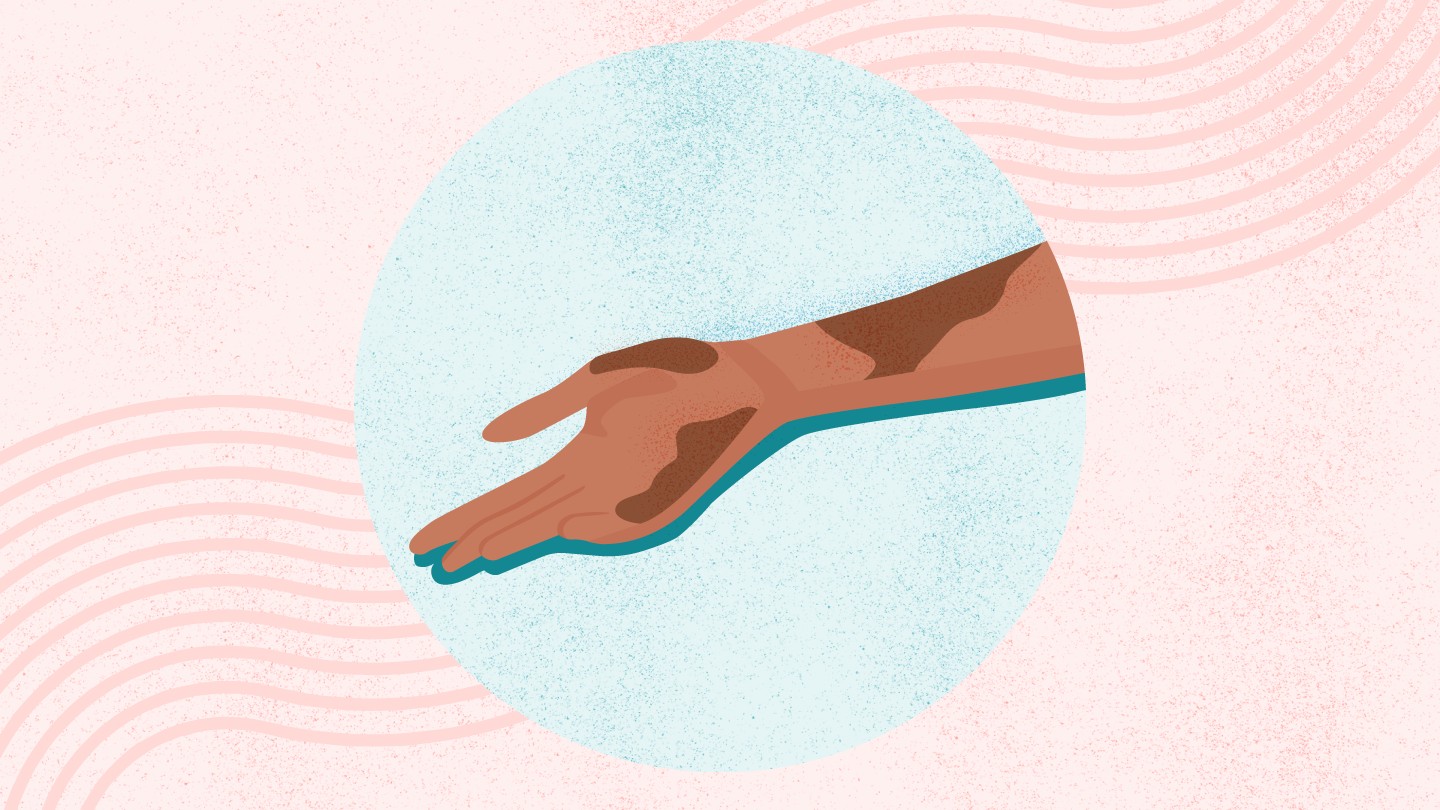
Eczema disproportionately affects Black children, with higher prevalence rates compared to white children. In people with darker skin, eczema may appear as darker or ashen patches, delaying diagnosis. Black Americans also experience unique forms like papular eczema and eczema with follicular accentuation, often more severe.
Living with Eczema: Prevention and Long-Term Outlook
There’s no guaranteed prevention, but managing flare-ups involves consistent skincare (moisturizing), avoiding irritants, and stress management. Some people find relief in alternative therapies like oatmeal baths or yoga.
While some children outgrow eczema, adults often manage it long-term with treatment. Severe cases may lead to infections, sleep deprivation, depression, and anxiety.
The Bottom Line: Eczema is a common, chronic skin condition with diverse forms and causes. Effective management requires understanding your triggers, consistent treatment, and awareness of potential complications.