Severe atopic dermatitis (eczema) often leads to cracked, bleeding skin that can persist for weeks. While flare-ups may be short-lived, the resulting wounds require consistent care – often with the help of a dermatologist – to minimize damage and promote healing. This article explains why eczema wounds occur, how to treat them effectively, and when to seek medical attention.
Why Eczema Causes Slow Wound Healing
People with atopic dermatitis have a compromised skin barrier, making them prone to cracks and bleeding. Think of healthy skin as a brick wall: skin cells are the bricks, and a “mortar” of lipids and proteins holds everything together, retaining moisture and keeping irritants out.
However, eczema disrupts this structure. People with the condition often lack essential “mortar,” creating gaps that allow allergens, germs, and irritants to trigger inflammation. This inflammation further weakens the barrier, leading to a vicious cycle of cracking, bleeding, and increased susceptibility to infection.
Genetic factors also play a role. Up to 20% of people with atopic dermatitis have a deficiency in filaggrin, a crucial protein for skin integrity. Even without this genetic variation, other protein deficiencies can hinder the skin’s ability to retain water and maintain its structure.
Effective Wound Treatments for Atopic Dermatitis
The primary goal is restoring moisture to dry, cracked skin. Products with these three key ingredients are essential:
- Emollients (e.g., ceramides): Soften the skin and create a protective barrier.
- Humectants (e.g., glycerin): Attract moisture from the air.
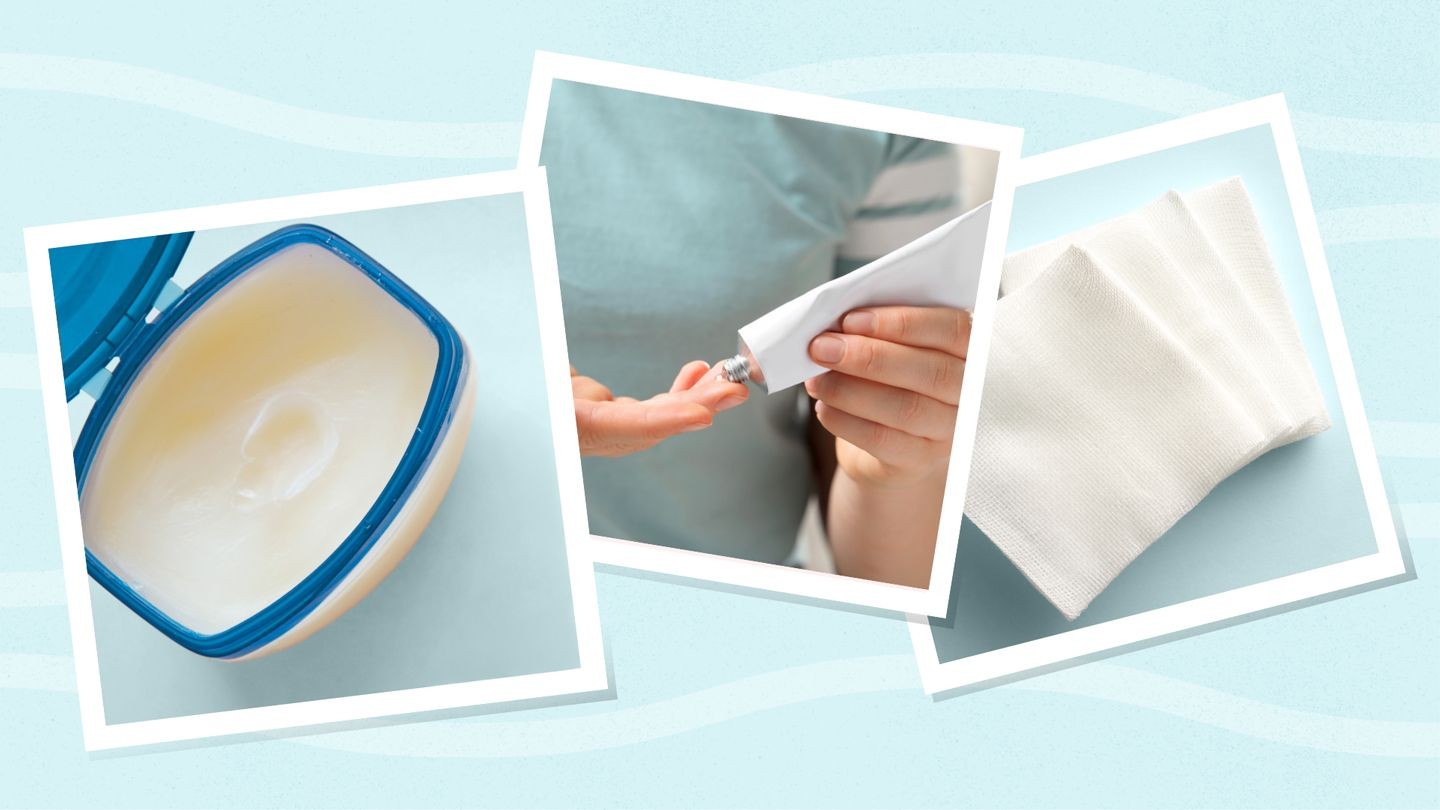
- Occlusives (e.g., petroleum jelly): Seal in existing moisture.
Applying these can be painful on open wounds. In severe cases, ointments like Vaseline, CeraVe, or Aquaphor may be the only tolerable option. Always choose fragrance-free products designed for sensitive skin to avoid further irritation.
Minor bleeding can be stopped with clean gauze applied for a few minutes. For more stubborn cracking, a dermatologist may prescribe topical corticosteroids. Ointments are generally preferred over creams due to reduced discomfort during application.
Wet wraps can significantly improve healing. Applying ointment, wrapping the affected area with damp gauze, and then covering it with a dry bandage overnight helps medication penetrate deeper and promotes faster recovery. This is the recommended bandaging method.
Serious wounds showing signs of infection (honey-colored crust, blisters, fever, severe pain) may require topical or oral antibiotics.
When to See a Doctor
Seek medical care if eczema wounds exhibit any signs of infection, such as:
- Honey-colored crusting (suggesting impetigo)
- Fever or chills
- Severe pain or burning
- Swelling
- Aggravated itchiness
- Blisters or sores
Early detection and treatment of infection are crucial to prevent complications.
Conclusion
Atopic dermatitis can cause painful, slow-healing wounds. Effective management involves diligent moisturizing, barrier repair, and prompt medical attention when infection is suspected. Wet wraps and corticosteroid treatments can accelerate healing, but professional guidance is often necessary for severe cases.