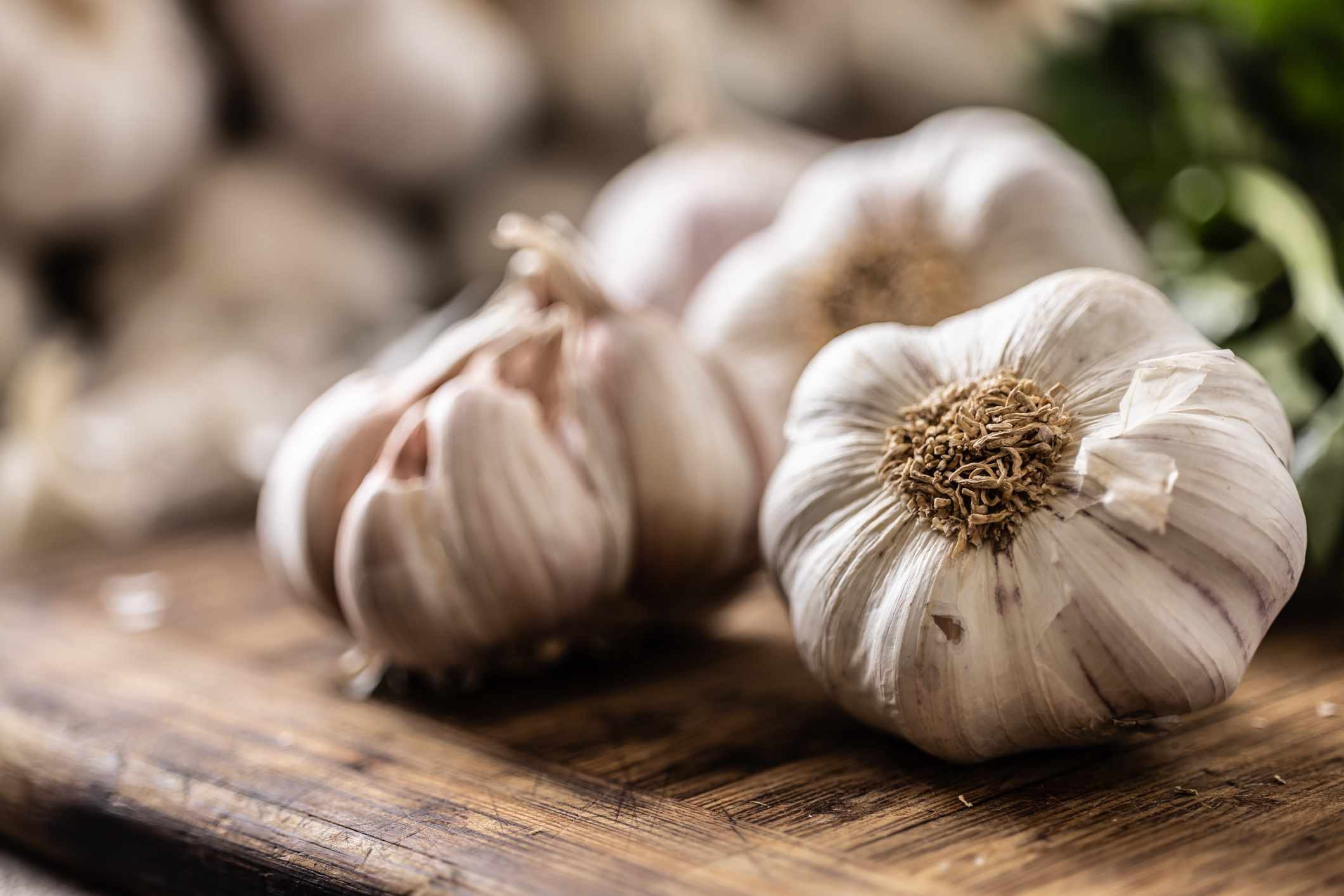
Garlic is more than just a kitchen staple; it’s a powerhouse of protective compounds with a growing body of research backing its benefits. From reducing inflammation to potentially boosting brain health, garlic offers surprising advantages that deserve consideration. Here’s a breakdown of what science says and how to maximize its effects.
Inflammation and Chronic Disease Risk
Chronic inflammation is a silent driver of diseases like heart disease and cancer. Garlic contains organo-sulfur compounds that fight inflammation, but how you prepare it matters.
* Fresh garlic is rich in S-allyl-L-cysteine sulfoxide (alliin), while garlic powder boasts diallyl disulfide (DADS).
* Studies show garlic consumption reduces key inflammatory markers like TNF-α, CRP, and IL-6.
Cognitive Health and Brain Function
Garlic may support cognitive function and slow age-related decline. Research suggests that people who eat garlic regularly have lower rates of cognitive impairment and increased longevity.
* A 2019 study on over 27,000 seniors found that those consuming garlic five or more times weekly had better cognitive health.
* Garlic’s antioxidant and anti-inflammatory properties protect brain cells and reduce inflammation, potentially improving short-term memory and focus.
Heart Health and Atherosclerosis
Garlic may reduce the risk of atherosclerosis – plaque buildup in arteries – a leading cause of heart disease.
* A 2021 study found that frequent raw garlic consumption correlated with lower heart disease risk.
* The compounds in garlic help improve blood vessel function and reduce plaque formation.
Immune Support and Antiviral Effects
Garlic enhances immune function through compounds like allicin and diallyl sulfide. These inhibit inflammatory proteins and boost immune cell activity.
* Garlic also exhibits antiviral properties against pathogens causing respiratory infections, including some influenza strains.
Liver Health Benefits
Garlic may protect the liver, particularly against non-alcoholic fatty liver disease (NAFLD).
* A 2019 study showed men who ate raw garlic four to six times per week had a 34% reduced risk of fatty liver disease (this effect was not observed in women).
* Garlic supplements may also improve liver enzyme markers in people with NAFLD.
Nutritional Profile: A Small But Potent Dose
While garlic isn’t a nutrient powerhouse in large quantities, it provides small amounts of vitamin C and potassium.
* Three cloves of garlic contain roughly 13 calories, <1g of protein and fat, and 3g of carbohydrates.
Risks and Precautions
Garlic is generally safe for most people, including pregnant and breastfeeding women, when consumed in normal amounts.
* High-dose supplements may be unsafe for those on blood thinners or with bleeding disorders.
* People allergic to lilies (leeks, chives, tulips) should avoid garlic supplements.
* High doses can cause gastrointestinal issues, bad breath, and body odor. Raw garlic can also burn skin.
How to Maximize Garlic’s Benefits
To get the most out of garlic, consider these tips:
- Crush or chop garlic and let it sit for 10 minutes before cooking. This activates allicin, the key beneficial compound.
- Add roasted garlic to pasta, soups, stir-fries, or noodle dishes.
- Combine chopped garlic with ginger, lemon, and honey in hot water for an anti-inflammatory tea.
- Use garlic powder in savory recipes.
- Make fire cider with garlic, ginger, apple cider vinegar, honey, horseradish, and hot peppers.
In conclusion, garlic’s potent compounds offer a range of health benefits, from reducing inflammation to boosting cognitive function and protecting the liver. Incorporating it into your diet, especially in raw or lightly cooked forms, is a simple yet effective way to support overall well-being.