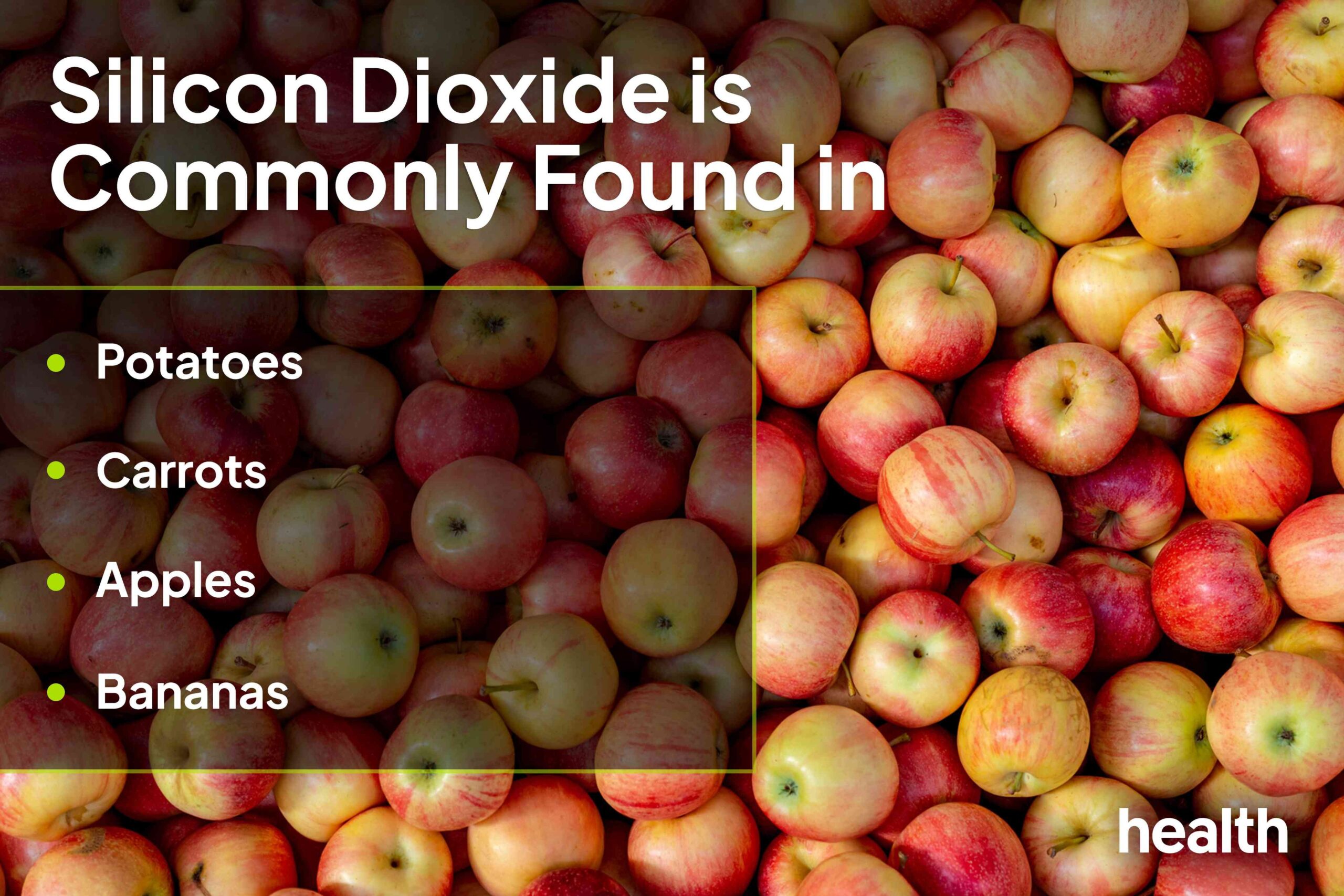
Silicon dioxide, also known as silica, is a naturally occurring compound found in many foods and mineral water. It is also used as a food additive (E551) for its anticaking and antifoaming properties. While research on its health benefits is ongoing, current findings suggest potential advantages for bone, skin, hair, and nail health—though conclusive evidence remains limited.
Potential Health Benefits
Bone Health: Some studies indicate that silicon supplements may improve cartilage and bone strength. A 12-week trial on men with knee osteoarthritis showed reduced pain, stiffness, and improved physical function. However, the European Food Safety Authority (EFSA) notes that current evidence is insufficient to definitively confirm these effects.
Skin, Hair, and Nail Health: Preliminary research suggests that silicon dioxide may positively affect skin elasticity, hair quality, and nail health. One small study reported improvements in hair loss and skin condition after five months of supplementation, but the lack of a control group makes these results inconclusive. Other studies have shown mixed results, with some finding no significant impact on skin barrier function.
Sources of Silicon Dioxide
Silicon dioxide is abundant in nature, found in:
- Grains: Wheat, rice, oats, barley
- Vegetables: Green beans, potatoes, carrots, beets, radishes
- Fruits: Bananas, apples
- Other Foods: Eggs, meat, fish, milk, bottled spring/mineral water
As a food additive (E551), silicon dioxide prevents ingredients from clumping and reduces foam in liquids. It is approved by the FDA for use in:
- Dried powdered products
- Cereals
- Beverage whiteners
- Cheeses
- Oil sprays
- Chewing gums
- Sugar/syrups
- Salt substitutes
- Seasonings
However, the silicon dioxide found in processed foods is poorly absorbed by the body, with most of it passing through the digestive system unchanged.
Supplementation: Forms and Dosage
More bioavailable forms of silicon are available as supplements, primarily orthosilicic acid. This is often stabilized with compounds like methyl groups, choline, or vanillin. Common supplement forms include:
- Monomethylsilanetriol (organic silicon)
- Choline-stabilized orthosilicic acid
- Orthosilicic acid-vanillin complex
Recommended daily dosages vary:
- Orthosilicic acid-vanillin: 10–18 mg of silicon
- Monomethylsilanetriol: 7–10 mg of silicon
- Choline-stabilized orthosilicic acid: 5–20 mg of silicon
Caution: The FDA does not regulate supplements, so product quality can vary. Look for third-party certifications (NSF International, USP, ConsumerLab) to ensure purity and accurate labeling.
Safety Considerations
There is no established acceptable daily intake (ADI) for silicon dioxide. The EFSA has found no evidence of adverse effects from reported uses, but further research is needed.
Before taking silicon dioxide supplements, consult with a healthcare professional to determine if it is safe for you. Given the limited regulation of supplements, prioritizing quality and third-party testing is essential.
In conclusion, while silicon dioxide shows promise in supporting certain health aspects, more rigorous research is necessary to fully understand its benefits and safety profile. Responsible consumption, informed by medical guidance, is critical.