Vitamin D is an essential nutrient that most people don’t get enough of. It’s crucial for immune function, bone strength, and cardiovascular health, yet deficiency is widespread. While sunlight and fatty fish are key sources, fortified beverages can also significantly boost your intake. Here are four options to consider, with a breakdown of how much vitamin D they offer and what to look for.
Fortified Milk: A Long-Standing Solution
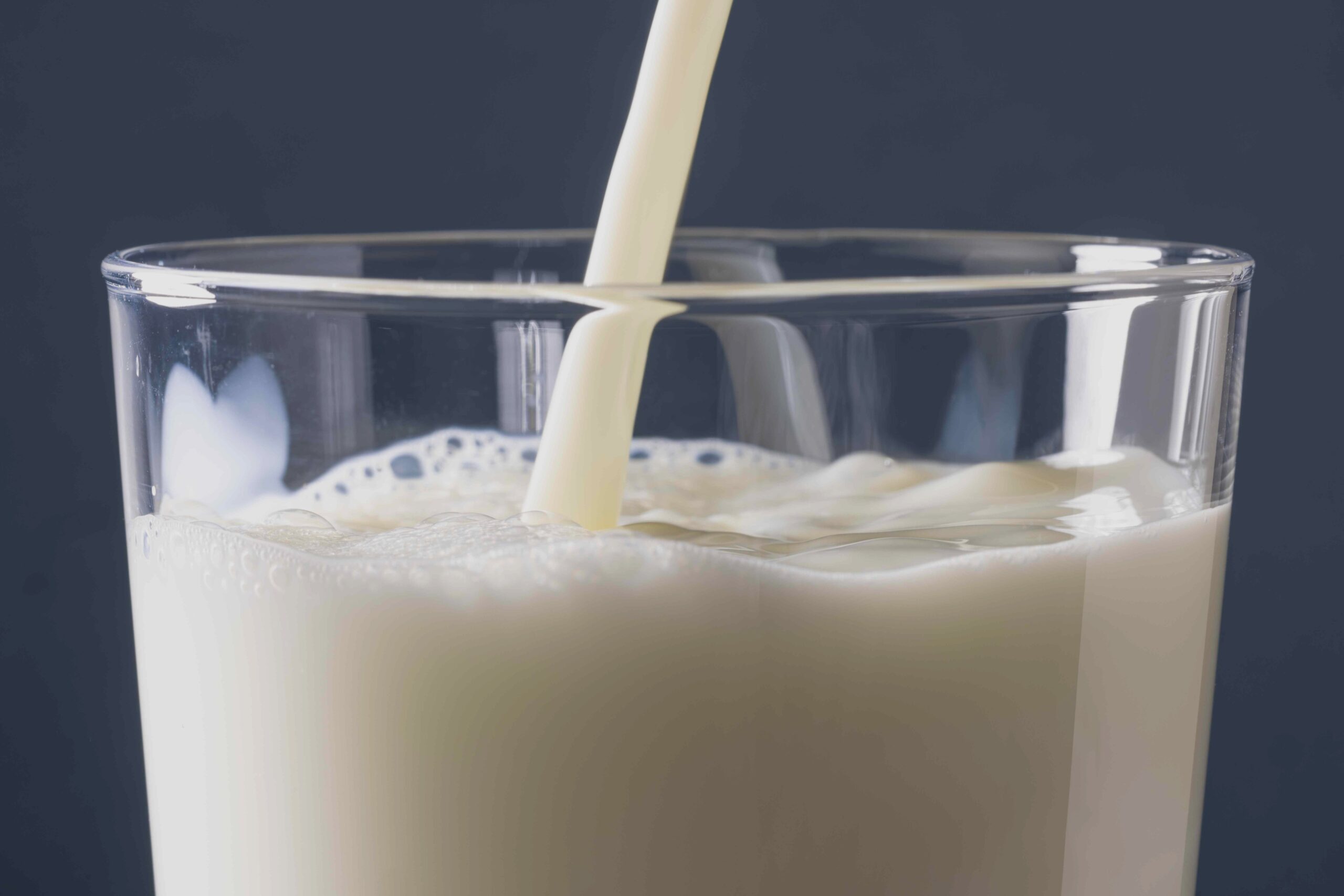
Cow’s milk has been voluntarily fortified with vitamin D since the 1930s, making it a reliable source. An 8-ounce serving typically contains 100-150 International Units (IU). This simple addition has been a public health strategy to combat deficiencies, as most Americans don’t get enough from diet alone.
Beyond vitamin D, milk provides calcium, phosphorus, potassium, and protein, making it a nutrient-dense choice. If you prefer coffee, substituting milk for sugary creamers is a smart way to add vitamin D without excess sugar.
Plant-Based Milks: Check the Label
Many plant-based alternatives – soy, almond, cashew, rice, and pea milk – are now fortified with vitamin D to match dairy milk. However, fortification is not universal. Always check the nutrition label. Some brands, like Almond Breeze, offer 25% of the Daily Value (DV) per serving, while others, like Elmhurst, contain none. This variability underscores the need to read labels carefully.
Fortified Orange Juice: An Unexpected Boost
Orange juice fortification began in the 1990s, adding another convenient source of vitamin D to the mix. A cup can deliver around 100 IU (17% DV), alongside calcium and other vitamins like A and E. This makes OJ a surprising yet effective way to support bone health.
Mushroom Broth: A Unique Plant-Based Option
Mushrooms are the only plant food that naturally produces vitamin D. When processed into broth, they can offer a significant dose—400-1,000 IU per 100 grams of UV-treated mushrooms. However, not all mushroom broths are created equal. Vitamin D levels depend on whether the mushrooms were exposed to UV light and how long they were simmered. Longer boiling times can reduce the available vitamin D content.
How Much Vitamin D Do You Need?
The Recommended Daily Allowance (RDA) for adults is 600 IU, with an upper limit of 4,000 IU. Reaching this target through diet alone is challenging, but incorporating these drinks—along with fatty fish, egg yolks, and fortified foods—can help. Vitamin D toxicity from food is rare; supplements are the primary risk.
The bottom line: Vitamin D is critical for overall health, and these drinks offer a practical way to increase intake. Prioritize fortified options, check labels, and combine them with other vitamin D-rich foods for optimal results.