


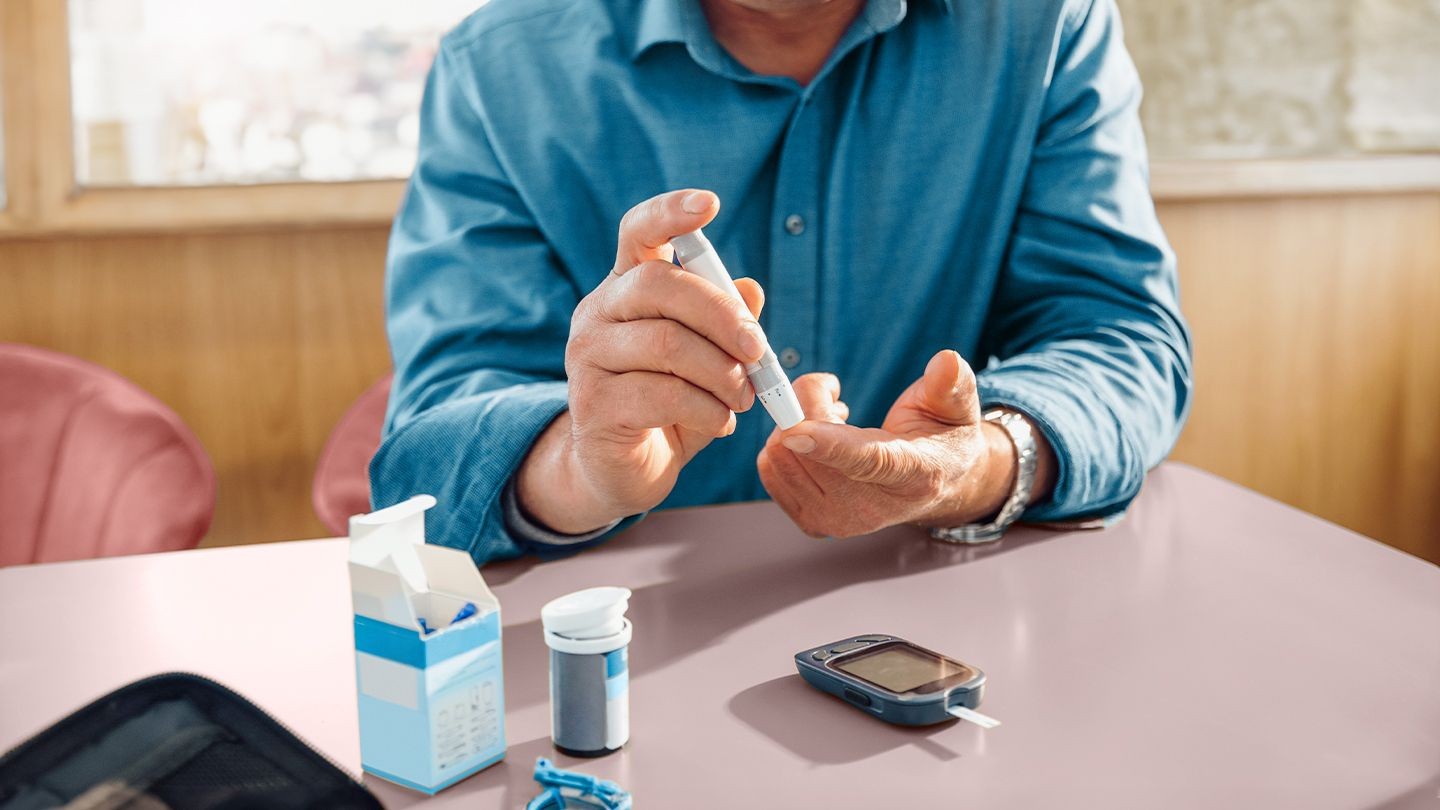
Checking your blood sugar isn’t just about fasting levels; how your body handles sugar after eating is equally critical. Postprandial glucose monitoring – measuring blood sugar after meals – provides deeper insight into your metabolic health and helps refine diabetes management.
The Importance of What Happens After You Eat
Diabetes authorities recommend testing blood sugar both before and one to two hours after meals. This isn’t just a formality. Postprandial glucose levels reveal whether your body effectively processes food and returns to normal blood sugar ranges.
High post-meal spikes are particularly damaging, contributing significantly to chronic hyperglycemia and increasing the risk of cardiovascular disease even more than high fasting glucose. Even in people without diabetes, larger spikes correlate with long-term health risks like increased hunger, poor mental health, and disrupted sleep.
How Food Impacts Blood Sugar
Carbohydrates, especially refined ones, drive blood sugar up faster than protein. Your meals are the most consistent trigger for blood sugar fluctuations. Glucose levels rise within 10 minutes of starting a meal, peak two hours later, and return to baseline within two to three hours.
However, these spikes are prolonged and exaggerated in type 2 diabetes. Monitoring postprandial glucose helps understand which foods cause the biggest jumps, informing dietary adjustments. It also reveals how lifestyle factors like exercise affect glucose control.
Beyond A1C and Fasting Glucose
While A1C and fasting blood sugar are standard measurements, they don’t always paint a full picture. Some people may meet A1C goals but still experience dangerous postprandial spikes. High postprandial glucose levels have a stronger link to cardiovascular disease than high fasting glucose.
Doctors use all three biomarkers (fasting, A1C, and postprandial) to assess diabetes management. If A1C remains high despite on-target fasting levels, postprandial monitoring becomes essential.
Actionable Feedback and Treatment Refinement
Postprandial data isn’t just diagnostic; it’s actionable. It helps troubleshoot your diabetes regimen:
- Dietary Insights: Identify which foods contribute the most to spikes.
- Lifestyle Adjustments: Discover how activities like walking after meals lower glucose.
- Treatment Optimization: Inform your doctor whether dietary changes or insulin adjustments are needed.
Who Should Monitor Postprandial Glucose?
There are no universal guidelines. Specialists tailor testing frequency to individual health status and goals. If you’re already meeting A1C targets, it might be unnecessary. However, if you’re striving for better control, postprandial checks provide valuable data.
The American Diabetes Association recommends more frequent monitoring for those:
- Using insulin (especially rapid-acting)
- Pregnant
- Unable to achieve glucose targets
- At risk of hypoglycemia or diabetic ketoacidosis (DKA)
Even intermittent checks can improve your understanding of blood sugar health. Glucose levels vary over time, so regular monitoring provides the most accurate information.
Continuous Glucose Monitors (CGMs): A More Complete Picture
While fingersticks provide snapshots, CGMs offer high-definition video. These devices track glucose continuously, sending data to your smartphone.
CGMs reveal how fast glucose rises and falls, catching hidden spikes traditional testing misses. This immediate feedback allows precise adjustments to diet, exercise, and medication for better control.
CGMs are increasingly covered by insurance for insulin users and are now available over the counter.
In conclusion, ignoring postprandial glucose monitoring leaves a critical gap in your diabetes management. Consistently high spikes are detrimental to long-term health. Monitoring after meals provides actionable insights for dietary adjustments and lifestyle improvements, ultimately leading to better glucose control.


