As we age, our nutritional requirements undergo a significant shift. While protein is often discussed in the context of fitness and bodybuilding, it plays an even more critical role for older adults—not for aesthetics, but for functional independence.
However, finding the “sweet spot” of protein intake is a delicate balancing act. Getting too little can lead to muscle wasting, while getting too much can pose risks to specific health conditions.
The Challenge of “Anabolic Resistance”
One of the primary reasons older adults face unique nutritional hurdles is a biological phenomenon known as anabolic resistance. Essentially, as the body ages, muscles become less efficient at utilizing protein to build and repair tissue.
This inefficiency contributes to sarcopenia —the progressive loss of muscle mass and strength. Because the body is less responsive to protein, many experts suggest that older adults may actually require higher amounts than younger adults to maintain the same level of muscle health. Furthermore, changes in appetite and nutrient absorption efficiency can make meeting these increased needs a daily challenge.
Finding Your Target: How Much is Enough?
While general guidelines provide a baseline, individual needs vary significantly based on health status.
- The General Guideline: The Dietary Guidelines for Americans recommend 1.2 to 1.6 grams of protein per kilogram of body weight (or roughly 0.5 to 0.7 grams per pound).
- Example: A person weighing 150 lbs should aim for 75 to 105 grams of protein daily.
- When You Need More: Increased protein is often necessary when recovering from surgery, healing open wounds, or managing certain chronic illnesses.
- When You Need Less: For individuals with chronic kidney disease (CKD), excessive protein can place dangerous strain on the kidneys.
Note: Because body size, kidney function, and overall nutritional status are so critical, it is essential to consult a healthcare provider or nutritionist to establish a personalized target.
Red Flags: Signs of Protein Deficiency
If you are a strict vegetarian, vegan, or simply struggling with appetite, you may be at risk for deficiency. Watch for these physical indicators:
- Brittle Hair and Nails: Since hair and nails are composed of the protein keratin, deficiency often manifests as thinning hair or ridged, weak nails.
- Edema (Swelling): Low protein levels can lead to a drop in blood albumin, causing fluid to leak into tissues. This often appears as swelling in the ankles and feet.
- Slow Wound Healing: Without sufficient amino acids to produce collagen, even minor cuts or surgical incisions may take much longer to close.
Caution: These symptoms can overlap with other conditions, such as thyroid disease or zinc deficiency, so medical consultation is necessary for an accurate diagnosis.
Optimizing Your Diet: Quality Over Quantity
To maximize muscle health, focus on complete proteins —those that contain all nine essential amino acids the body cannot produce on its own.
Animal-Based Sources (Complete Proteins)
While highly efficient, experts recommend choosing lean options to avoid excess saturated fats associated with heart disease:
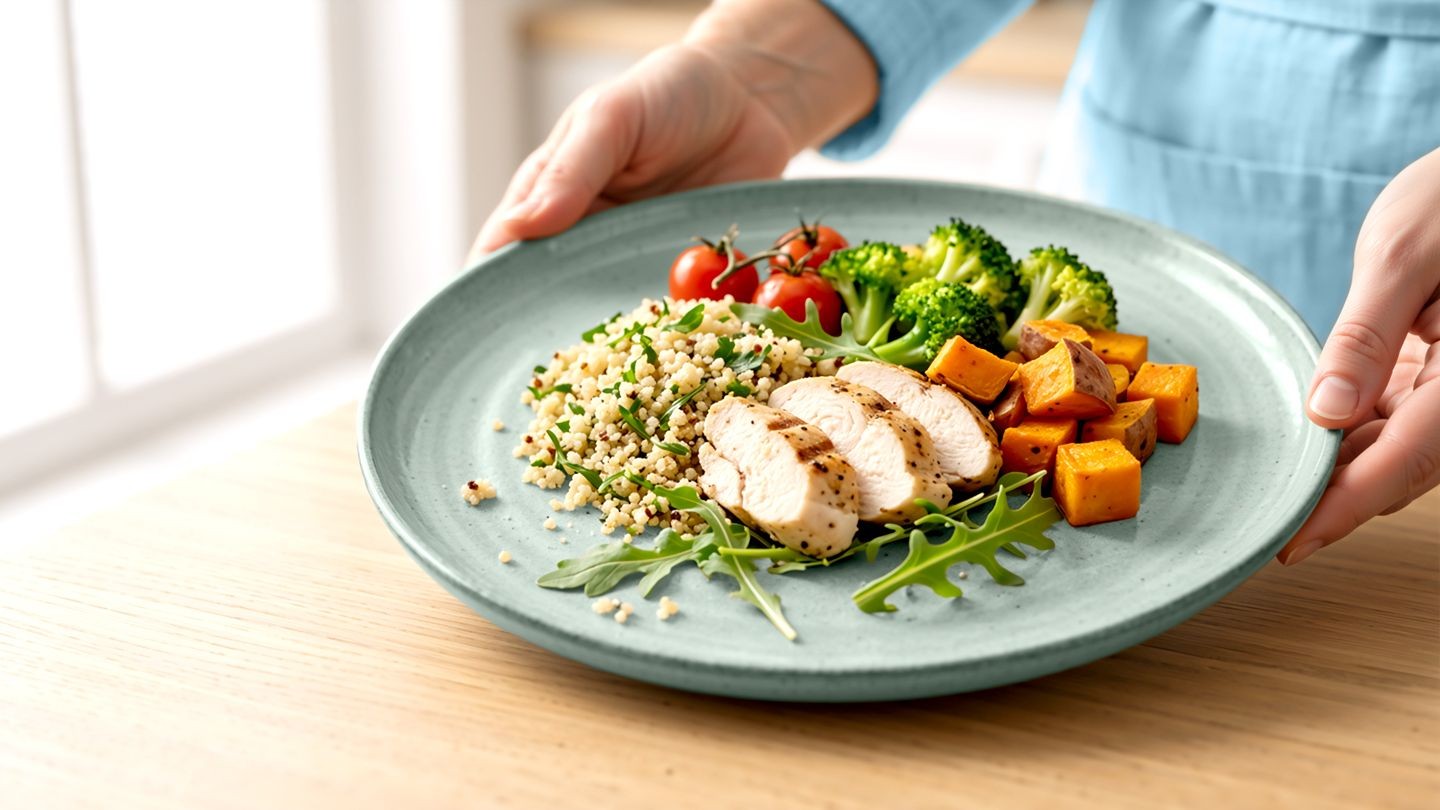
– Chicken breast (skinless): ~27.9g per 3 oz
– Fish (e.g., Salmon): ~15.5g per 3 oz
– Beef (ground): ~13.4g per 3 oz
– Yogurt (plain, whole milk): ~8.5g per cup
– Milk: ~8.14g per cup
– Eggs: ~6g per large egg
Plant-Based Sources
Vegetarians and vegans can meet their needs by choosing specific complete proteins or by consuming a diverse variety of plant foods to ensure a full amino acid profile:
– Tofu (firm): ~9.2g per 3 oz
– Quinoa (cooked): ~4g per ½ cup
– Other complete plant options include soy and buckwheat.
Summary
Maintaining adequate protein is vital for combating age-related muscle loss, but it requires a personalized approach. By prioritizing complete proteins and monitoring for signs of deficiency—while remaining mindful of kidney health—older adults can better support their strength and long-term mobility.