For decades, researchers have observed that traditional diets in many Asian countries are linked to lower rates of chronic diseases compared to typical Western eating patterns. This isn’t about strict rules, but about a lifestyle built around whole foods, balance, and mindful eating. Here’s a breakdown of what the “Asian diet” means, how it works, and why it matters.
What Defines the Asian Diet?
There isn’t one Asian diet. Asia is vast, with cuisines varying dramatically from Japan to India to Thailand. However, common threads tie these regional diets together: a foundation of plant-based foods, moderate protein intake, and limited processed foods, refined grains, and added sugars.
The “Asian Diet Pyramid,” developed by researchers at Cornell and Harvard, illustrates this structure. The base emphasizes daily consumption of leafy greens, legumes, fruits, and whole grains. Above that, moderate portions of fish, poultry, eggs, dairy, and healthy oils are recommended a few times a week. Sweets and red meat are minimized.
The key difference from many Western diets isn’t just what you eat, but how often. The Asian diet focuses on food groups rather than rigid serving sizes.
Proven Health Benefits
The Asian diet’s health benefits aren’t just anecdotal; research supports them:
- Diabetes Prevention & Management: Studies show that switching to a traditional Asian diet improves insulin sensitivity, a crucial factor in preventing and managing type 2 diabetes. This is because the diet prioritizes blood-sugar-friendly foods like fruits, vegetables, legumes, and whole grains. However, excessive white rice, sodium, or saturated fats can undermine these benefits.
- Reduced Heart Disease Risk: Asian diets, particularly the Japanese model, are associated with lower cardiovascular disease rates. The emphasis on fish (rich in omega-3s), antioxidants from colorful produce, and teas packed with flavonols helps lower blood pressure and cholesterol.
- Improved Gut Health: Many Asian cuisines incorporate fermented foods like kimchi, miso, and tempeh. These are probiotic-rich, promoting a healthy gut microbiome. A thriving gut microbiome supports immunity, reduces inflammation, and may even alleviate digestive disorders.
Beyond these, the diet’s emphasis on whole foods and limited processed ingredients naturally supports weight management and overall well-being.
Key Foods to Include & Avoid
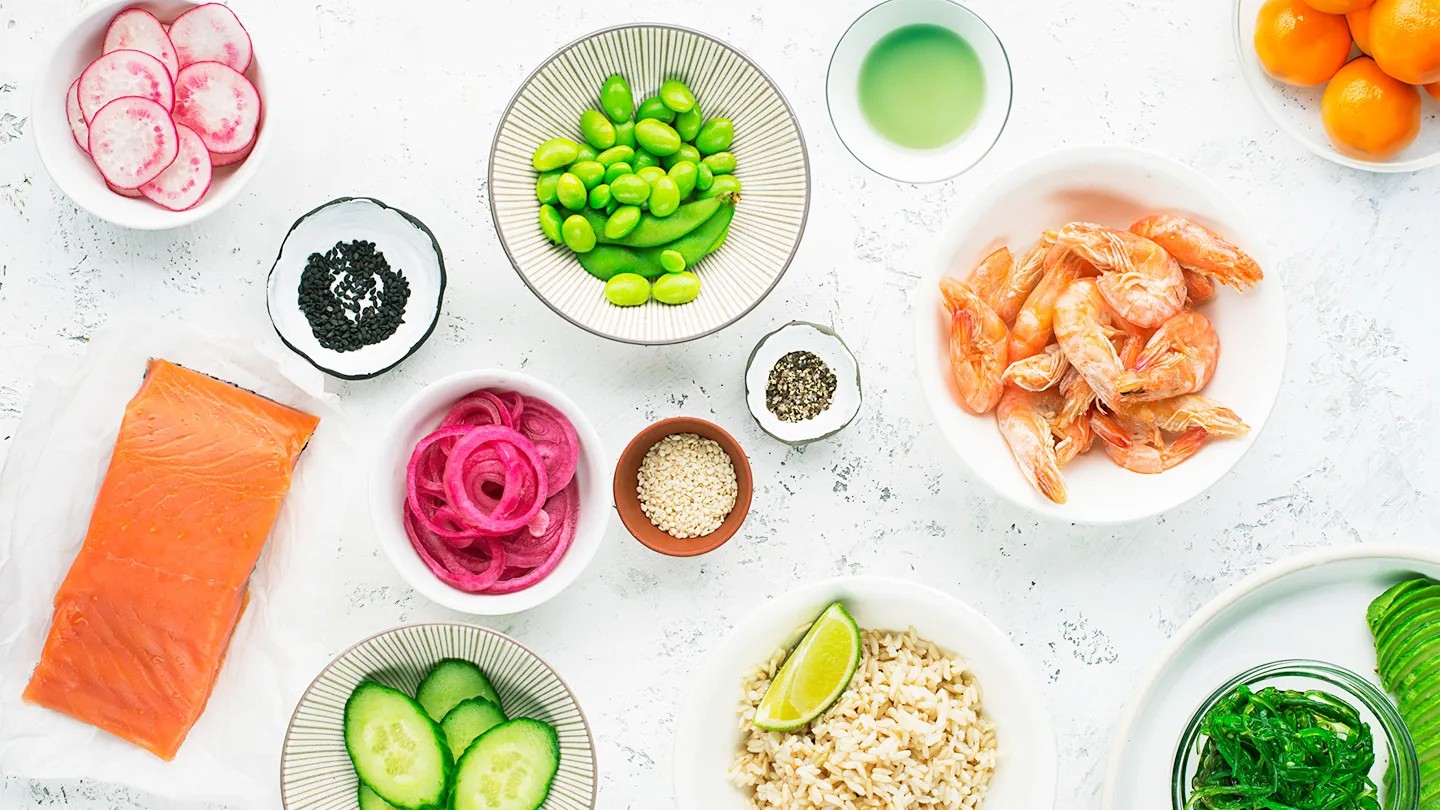
To embrace an Asian-inspired diet, focus on these foods:
Top 10 To Eat Regularly:
- Vegetables (leafy greens, root vegetables, cruciferous vegetables)
- Fish (salmon, tuna, mackerel)
- Legumes & Beans (soybeans, lentils, chickpeas)
- Nuts & Seeds (almonds, sesame seeds, chia seeds)
- Fruit (berries, citrus, tropical fruits)
- Tofu & Soy Products (tempeh, edamame)
- Unsweetened Tea (green, black, herbal)
- Whole Grains (brown rice, barley, buckwheat)
- Herbs & Spices (ginger, turmeric, garlic)
- Eggs (in moderation)
Top 10 To Limit or Avoid:
- Beef & Pork (consume sparingly)
- Processed Meats (hot dogs, bacon)
- Sugary Treats (candies, pastries)
- Fruit Juice (high in added sugars)
- Soda (avoid entirely)
- Sweetened Tea (opt for unsweetened)
- Alcohol (moderate consumption only)
- Ultra-Processed Snacks (chips, crackers)
- Deep-Fried Foods (tempura, fried noodles)
Practical Implementation: A 7-Day Sample Menu
Here’s how a week of Asian-inspired eating might look:
- Day 1: Vegetable omelet for breakfast, soba noodles with sesame oil and cabbage for lunch, tofu and vegetable stir-fry over brown rice for dinner.
- Day 2: Millet porridge for breakfast, Thai peanut chicken with broccoli and carrots for lunch, salmon with sautéed bok choy for dinner.
- Day 3: Chinese tomato and egg stir-fry for breakfast, paratha and chickpea curry for lunch, stir-fried shrimp and vegetables over brown rice for dinner.
- Day 4: Millet congee for breakfast, steamed fish with a mixed bean salad for lunch, pho with lean beef for dinner.
- Day 5: Egg fried rice for breakfast, soba noodles with chicken and snap peas for lunch, Vietnamese shredded chicken salad for dinner.
- Day 6: Aloo paratha for breakfast, roasted tofu with garlic green beans and buckwheat for lunch, sushi with miso soup for dinner.
- Day 7: Kimchi fried rice with a fried egg for breakfast, lentil soup for lunch, chicken satay with peanut sauce for dinner.
The Bottom Line
The Asian diet isn’t a quick fix; it’s a sustainable lifestyle focused on whole foods, balance, and mindful eating. While it can be challenging to adapt, the potential health benefits—reduced risk of chronic disease, improved gut health, and natural weight management—make it worth considering. The key is to embrace the principles rather than rigidly follow rules, making it a practical and enjoyable part of your life.