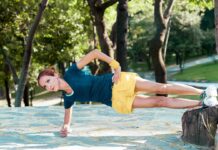
Difficulty rising from a chair is a common issue as we age, but it’s often a sign that mobility and strength training could be improved. According to physical therapist Melissa Garcia, simple exercises can enhance balance, stability, and reduce the risk of falls. These movements focus on strengthening the quads, glutes, and hamstrings – key muscle groups for standing up. Here are eight exercises to make daily movements smoother, recommended for every other day (or as tolerated).
Why This Matters
Many daily actions, like reaching for items or getting out of a chair, become harder with age due to muscle weakness and decreased balance. Addressing this proactively isn’t just about comfort; it’s about preventing falls, maintaining independence, and improving overall quality of life. Strength training, particularly targeting the legs and core, helps counteract these effects.
Exercises for Improved Mobility
-
Glute Bridge:
This exercise strengthens glutes and hamstrings, essential for hip extension (standing up). Lie on your back, knees bent, feet flat. Squeeze glutes, press heels into the ground, and lift hips until the body forms a straight line from shoulders to knees. Pause, then lower.
-
Standing Fire Hydrant:
An alternative to floor exercises, this strengthens glutes and hip extension muscles. Stand with feet together, optionally using a resistance band above the knees. Lean on a chair for support if needed. Lift one knee backward and outward, squeezing the outer hip muscles.
-
Straight Leg Raise:
Strengthens hip flexors, quads, and core while lying down. Lie with knees bent, feet flat. Raise one leg straight, keeping the knee as straight as possible. Pause, then lower. If fatigue sets in, rest before repeating.
-
Assisted Forward Banded Lunge:
Engages glutes, hamstrings, and quads for standing strength. Stand with a resistance band around ankles, hands on a chair for support. Step forward with one leg, keeping the heel on the ground, then return. Alternate sides.
-
Side-Lying Hip Abduction:
Targets often-neglected side glutes, reducing strain on the back. Lie on your side, knees bent. Raise the top leg a few inches, keeping it straight. Pause, then lower. Alternate sides.
-
Banded Seated Hip Abduction:
Strengthens hip abductors while seated. Sit with a resistance band around thighs, just above the knees. Push knees outward against the band, then slowly release.
-
Supported Mini Squats:
Practices the motion of standing up with balance assistance. Stand behind a chair, hands on the backrest. Push hips back and bend knees slightly, keeping the back straight. Reverse to return.
-
Wall Sit:
Builds lower body strength and improves posture. Stand with your back against a wall, feet hip-width apart. Slide down until thighs are parallel to the floor, hold for several breaths, then stand up.
Expert Insights
The exercises were reviewed by K. Aleisha Fetters, a certified strength and conditioning specialist, who emphasizes a science-based approach to fitness. Sanjana Gupta, a health writer, has contributed to various publications covering similar wellness topics. Their expertise supports the practical value of these exercises for improved mobility.
Incorporating these exercises into a routine can make daily movements easier and safer. Consistent practice strengthens key muscle groups, improves balance, and reduces the risk of falls, helping maintain independence and a better quality of life.