Hemorrhoids, those painfully swollen veins in the rectum and anus, are a common discomfort. While treatments like creams and sitz baths can provide relief, diet plays a crucial role in managing symptoms. The right food choices can soften stool, reduce strain during bowel movements, and prevent further irritation. Conversely, certain foods can exacerbate the problem.
This article details seven types of food you should limit or avoid if you’re dealing with hemorrhoids. Understanding why these foods matter is key: consistent straining puts pressure on the already swollen veins, making symptoms worse.
1. Highly Processed Foods: The Constipation Culprits
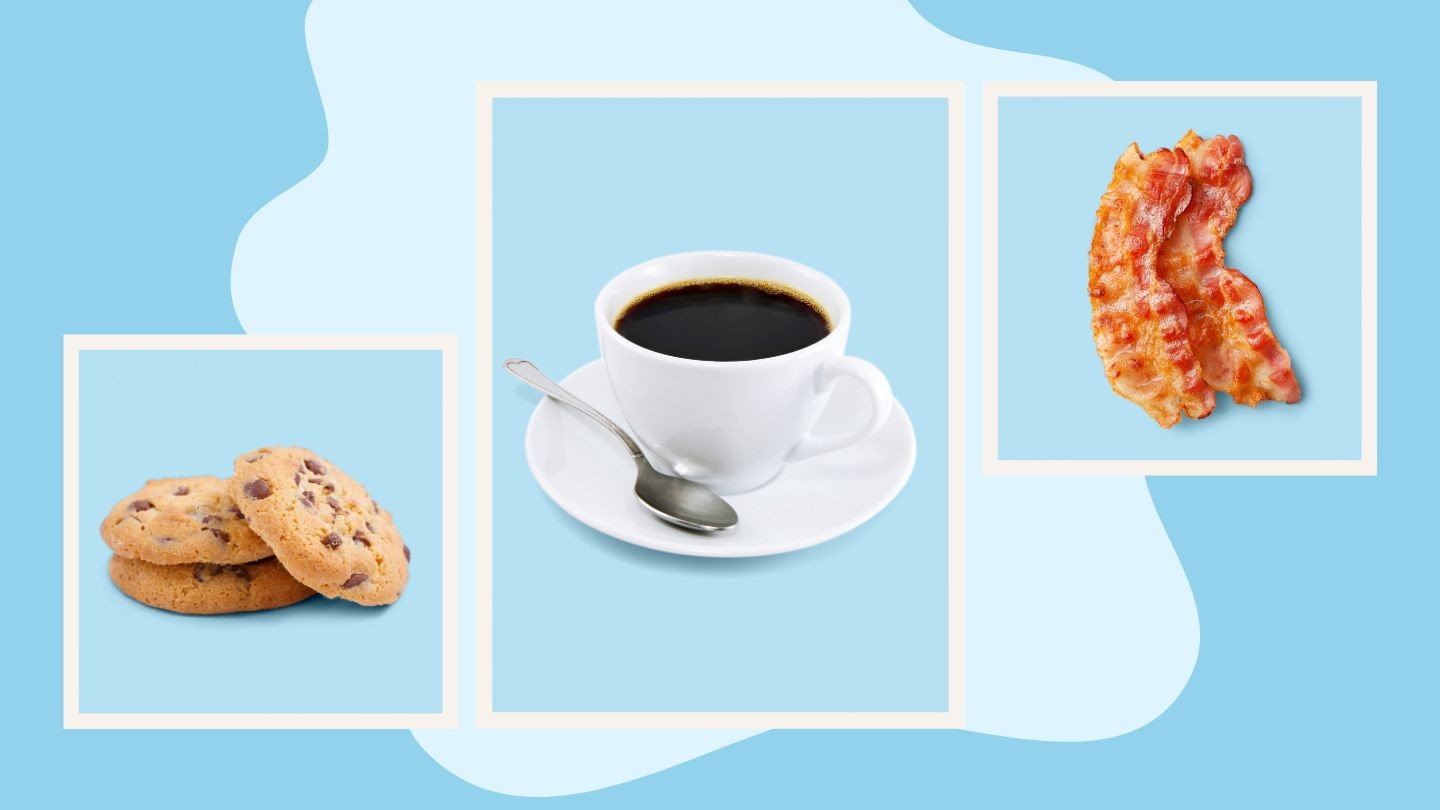
Chips, cookies, and other packaged snacks are low in fiber and often loaded with sugar and fat. Research links ultra-processed foods (UPFs) to increased constipation. White bread and sugary cereals are also common culprits.
According to Dr. Alex Afshar, founder of the Hemorrhoid Institute, these foods create a vicious cycle: “They’re low in fiber, so here comes your hard stools and straining. And they’re high in fat and sugar, which slow down GI motility.” Delayed bowel movements lead to drier, harder stool, worsening hemorrhoid symptoms.
2. Spicy Foods: A Painful Irritant
While not scientifically proven to worsen hemorrhoids directly, many people report increased discomfort after eating spicy foods. Dr. Anish Sheth, a gastroenterologist, explains: “Spicy foods irritate on the way out… they can make people who do have hemorrhoids more symptomatic just because it’s painful to the lining.”
Spicy foods can also stimulate more frequent bowel movements, leading to increased friction and irritation. If you have hemorrhoids, proceed with caution or avoid spicy dishes altogether.
3. Processed Meats: The Sodium and Fiber Problem
Bacon, sausage, and lunch meats contribute to constipation, as shown in a survey of 204 people experiencing it. They lack fiber and are often high in sodium. High sodium intake can cause dehydration, further hardening stool.
Fiber is essential for stool consistency, moving waste through the colon and absorbing water. Without enough fiber or hydration, stool becomes difficult to pass, increasing strain.
4. Excess Caffeine: A Double-Edged Sword
Caffeine isn’t necessarily the enemy, but it can be problematic for some. While it can stimulate bowel movements, it’s also a mild diuretic, potentially leading to dehydration.
Staying hydrated is critical. Dehydration leads to harder stools and increased strain on swollen veins. Moderation is key; avoid relying on coffee as a fluid source.
5. Alcohol: Dehydration and Vasodilation
Alcohol is another diuretic, increasing urine production and contributing to dehydration. Dehydration hardens stool, increasing strain. Additionally, alcohol causes vasodilation (widening of blood vessels), which can worsen hemorrhoid swelling.
Dr. Afshar explains: “It causes swelling of the hemorrhoidal vessels. And when that happens, that by itself is uncomfortable.”
6. High-Fat Dairy: Slow Digestion Potential
Moderate dairy intake is generally safe, but large amounts of full-fat dairy can slow digestion and contribute to constipation in some people. This increases the risk of straining.
If full-fat dairy doesn’t affect your bowel habits, there’s no need to eliminate it, but be mindful of how your body reacts.
7. Red Meat: Slow Transit and Lack of Fiber
Red meat lacks fiber and digests slowly, leading to sluggish bowel movements. This worsens constipation and inflames hemorrhoids.
Balance is crucial. Moderate red meat consumption is fine if you supplement with fiber-rich foods and stay hydrated. Aim for 25-30 grams of fiber daily from sources like oats, apples, and beans.
If dietary changes don’t improve symptoms within weeks, or if you experience persistent bleeding or severe pain, consult a healthcare provider. There may be underlying causes requiring different treatment.
A hemorrhoid-friendly diet emphasizes fiber and hydration to soften stool, reduce strain, and minimize irritation. Ignoring these factors can prolong discomfort and potentially worsen symptoms.