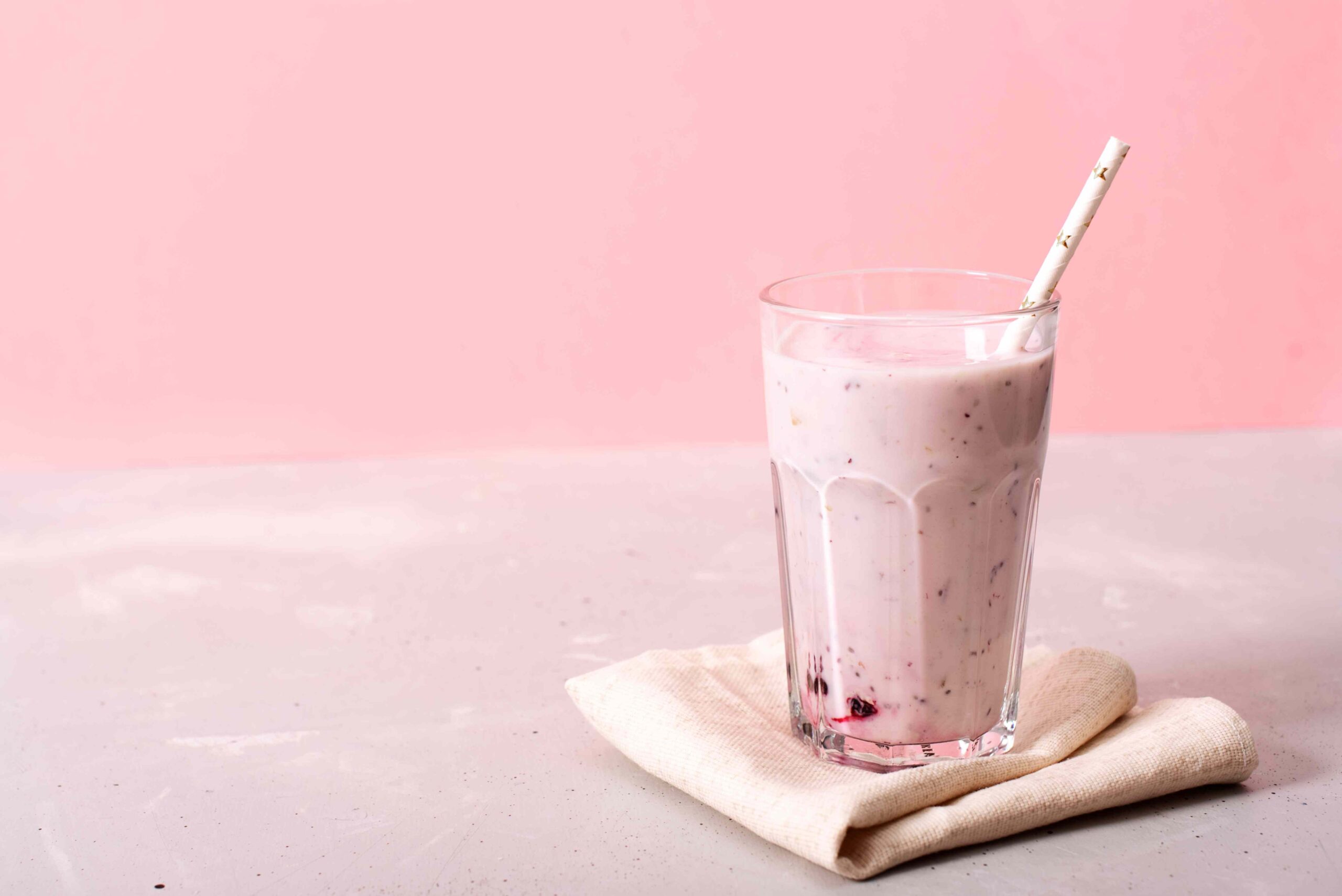
Smoothies can be a quick and healthy meal or snack, but the wrong ingredients can cause rapid blood sugar spikes. Building a smoothie strategically—with the right mix of fruits, proteins, fats, and fibers—can keep your energy stable and prevent unwanted surges. Here’s how to make a smoothie that won’t ruin your blood sugar.
1. Choose Fruits Wisely
Not all fruits are created equal when it comes to blood sugar impact. While fruit is packed with nutrients, some types digest faster than others. Low-glycemic fruits like berries (strawberries, blueberries, raspberries) and kiwi break down slowly, leading to a gentler rise in glucose. Higher-glycemic options like ripe bananas and pineapple are fine in moderation, but should be paired with other ingredients to balance them.
2. Control Fruit Portions
It’s easy to overdo it with fruit in smoothies. A large serving can quickly overload the sugar content, even if you’re using low-glycemic choices. The American Diabetes Association recommends around half a cup of fruit per meal or snack. For smoothies, stick to that limit – combining smaller amounts of different fruits is better than one large portion.
3. Add Protein for Balance
Protein slows down sugar absorption, preventing a rapid spike. Without it, the carbohydrates from fruit will hit your bloodstream too quickly. Good protein sources include plain Greek yogurt, unsweetened protein powder, or nut butters. Protein also keeps you fuller for longer, reducing cravings later.
4. Boost Fiber Content
Even with fruit and protein, a low-fiber smoothie can still cause a quick rise in blood sugar. Fiber slows digestion, giving your body time to process glucose at a more controlled pace. Add fiber-rich ingredients like chia seeds, ground flaxseed, or rolled oats to make your smoothie more sustainable.
5. Incorporate Healthy Fats
Healthy fats help balance a smoothie by further slowing down digestion. Avocado is an excellent choice: it adds creaminess, fiber, and monounsaturated fats, which have been linked to better glucose control. Nuts, seeds, and nut butters also provide healthy fats alongside protein and fiber.
6. Select Your Liquid Base Carefully
Avoid sugary liquids like fruit juice, sweetened plant milks, or flavored syrups as a base. These can negate all the benefits of your other healthy ingredients. Instead, opt for unsweetened liquids like water, plain almond milk, or unsweetened coconut water.
7. Sneak in Non-Starchy Vegetables
Vegetables are a great way to add extra nutrients without the sugar. Mild-tasting options like spinach, kale, zucchini, and cucumber blend well without overpowering the flavor. This is an easy way to increase fiber and volume without adding extra glucose.
A well-balanced smoothie doesn’t have to be complicated. By understanding how each ingredient affects blood sugar, you can create a delicious and sustainable meal that won’t leave you crashing later.
Quick Recipe: Combine half a cup of frozen berries, half a banana, half a cup of Greek yogurt, one tablespoon of chia seeds, half an avocado, a cup of unsweetened almond milk, and a cup of spinach in a blender. Adjust thickness with ice or extra liquid as needed.