Root vegetables are nutritional powerhouses, packed with essential vitamins, minerals, and protective plant compounds. Incorporating these into your diet can significantly boost health and well-being. This guide details 13 of the most beneficial options, outlining their key nutrients and health impacts.
Why Root Vegetables Matter
These underground staples are often overlooked, but they offer concentrated nutrition. Unlike many processed foods, they deliver fiber, vitamins, and antioxidants naturally. For example, the vibrant colors in beets and purple potatoes aren’t just aesthetic; they signal potent antioxidant compounds that fight inflammation and chronic disease.
The Top 13 Root Vegetables
Here’s a breakdown, ranked by nutritional density and health benefits:
1. Sweet Potatoes: A vibrant source of beta-carotene (which your body converts to vitamin A), sweet potatoes support immunity, cell growth, and vision. One serving provides over 100% of your daily vitamin A needs, along with fiber, B vitamins, and potassium.
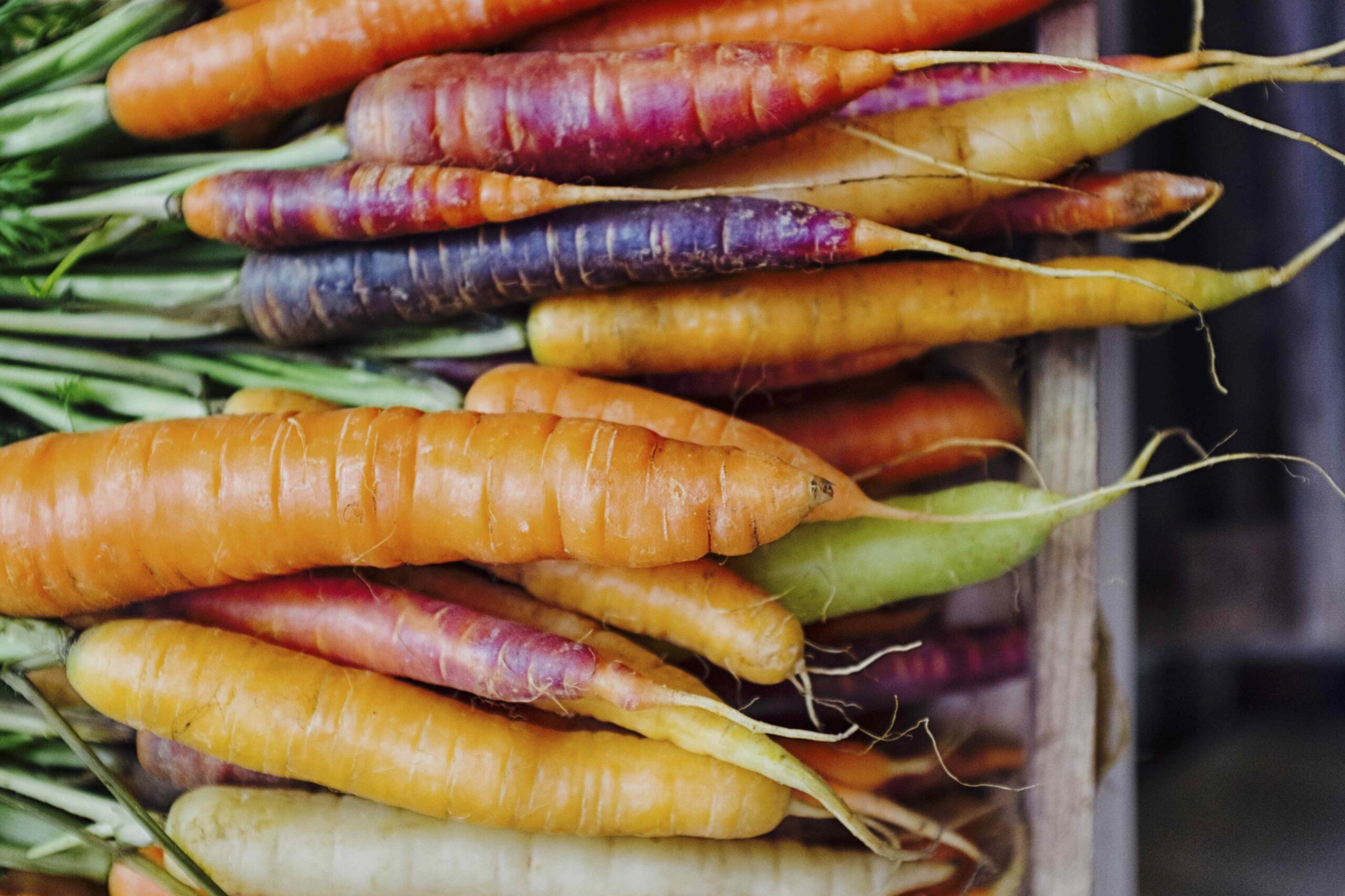
2. Carrots: Another carotenoid-rich option, carrots deliver vitamin A, B6, and K, plus potassium for blood pressure regulation. Studies link carrot consumption to a reduced risk of several cancers, including colorectal and lung cancer.
3. Radishes: The peppery bite comes from isothiocyanates, potent antioxidants and anti-inflammatory compounds. Radishes are also a solid source of vitamin C, crucial for immune function.
4. Purple Potatoes: The anthocyanin pigments in these potatoes offer superior antioxidant and anti-inflammatory protection, particularly for heart health. Daily consumption may improve arterial flexibility, reducing the risk of heart disease and cognitive decline.
5. Parsley Root: This often-overlooked root is loaded with vitamin C, carotenoids, and flavonoids. It provides over 50% of your daily vitamin C in a single serving, alongside essential vitamins and antioxidants.
6. Turnips: Low in calories and carbohydrates, turnips provide a substantial fiber boost (16% DV per cup) and contribute 30% of your daily vitamin C intake. They promote digestive health and offer a lighter option compared to other starchy roots.
7. Beets: Betalains, the pigments that give beets their color, are powerful anti-inflammatory agents. Beets also contain nitrates, which relax blood vessels and support healthy blood pressure. They’re a good source of potassium, folate, and magnesium.
8. Onion: Rich in vitamin C, flavonoids, and sulfur compounds, onions may lower the risk of chronic diseases like heart disease, diabetes, and obesity.
9. Rutabaga: A cabbage-turnip hybrid, rutabaga delivers both vitamin C (50% DV per cup) and fiber (15% DV). It also contains essential B vitamins for energy metabolism and cell function.
10. Parsnips: Packed with potassium, vitamin E, fiber, vitamin C, magnesium, and folate, parsnips aid blood sugar control and weight management due to their high fiber content.
11. Garlic: Organosulfur compounds in garlic provide antioxidant and anti-inflammatory effects, reducing inflammatory markers and boosting antioxidant enzymes. This can lower the risk of heart disease and certain cancers.
12. Celeriac: Closely related to celery and parsley, celeriac provides vitamin C, potassium, and various antioxidants like apigenin and luteolin. It offers a mild, celery-like flavor with similar nutritional benefits.
13. Ginger: The active compounds in ginger (gingerols, shogaols, and paradols) offer significant health benefits, supporting heart and gut health while improving blood sugar levels and reducing inflammation.
Making Root Vegetables Part of Your Diet
Adding these to your meals is easy. Roast them, mash them, add them to soups and stews, or even juice them. The key is variety to maximize the different nutrients each root offers.
Ultimately, prioritizing root vegetables is a simple yet effective step toward better health. These natural, nutrient-dense foods provide a foundation for long-term well-being.