
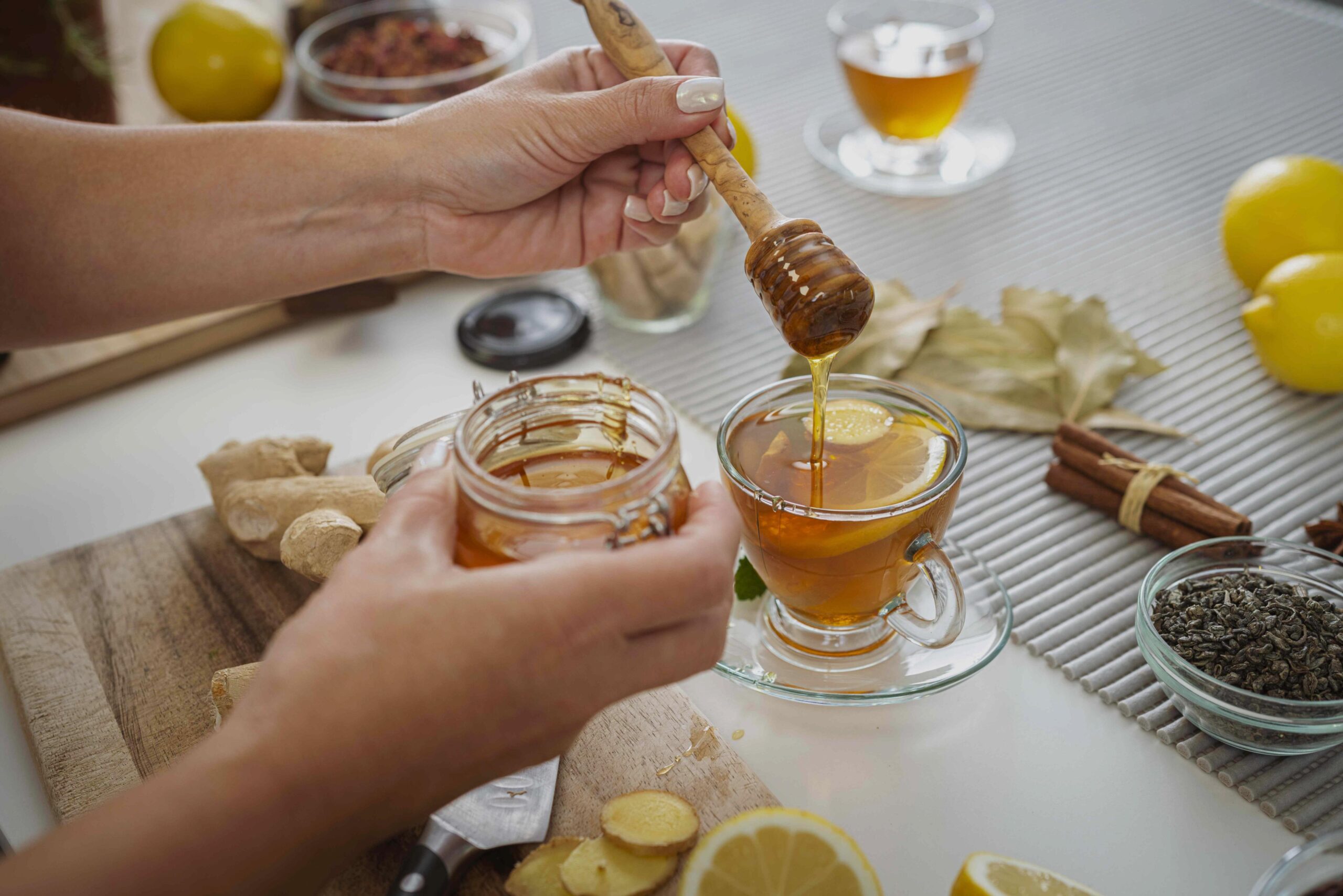
Allergies affect millions, driving demand for effective relief. While over-the-counter medications are common, many people seek natural alternatives to manage symptoms like sneezing, itching, and congestion. This guide explores ten supplements with potential antihistamine properties, backed by emerging research, but always consult a healthcare professional before starting any new regimen.
Vitamin C: Beyond the Common Cold
Vitamin C isn’t just for immunity. It may reduce histamine release, the chemical responsible for many allergy symptoms. Studies suggest it can shorten the duration and lessen the severity of reactions, improving sneezing, itching, and nasal congestion. However, high doses (over 2000mg daily) can cause digestive upset or, rarely, kidney stones. Include vitamin C-rich foods like citrus fruits, broccoli, and strawberries in your diet.
Black Pepper Extract: A Spicy Solution?
Black pepper extract, containing piperine, has anti-inflammatory effects that could ease allergy symptoms. However, it’s not risk-free: black pepper can worsen reactions in those already allergic to it, or even trigger coughing or asthma. Proceed cautiously.
Quercetin: Nature’s Histamine Blocker
Quercetin, a plant pigment in foods like onions and apples, is a major ingredient in many allergy supplements. It blocks histamine release and reduces inflammatory cytokines. While safe up to 1 gram daily for three months, long-term effects aren’t fully known.
Butterbur: A Traditional Remedy with Caveats
Butterbur has a history in traditional medicine for allergies and migraines. Some studies show it’s as effective as common antihistamines. However, raw butterbur contains pyrrolizidine alkaloids (PAs) that can cause liver damage. Only use certified PA-free extracts to avoid serious health risks. People with ragweed allergies should avoid it.
Stinging Nettle: A Mixed Bag of Evidence
Stinging nettle has been used for arthritis and circulation, but its allergy benefits are debated. It may block histamine and reduce inflammation, but research is mixed. Avoid using raw leaves, as they can cause skin irritation. Supplements are available in capsules or solutions.
Bromelain: Pineapple’s Anti-Inflammatory Power
Bromelain, found in pineapples, reduces inflammation and might thin mucus, easing breathing problems. While generally safe, side effects like stomach upset are possible. More research is needed to confirm its effectiveness for allergies.
Spirulina: Blue-Green Algae for Immune Balance
Spirulina, a blue-green algae, may balance the immune system and prevent histamine release. Some studies suggest it outperforms Zyrtec in reducing allergic rhinitis symptoms, but higher doses (around 2 grams daily) may be necessary.
Probiotics: Gut Health for Allergy Control
Probiotics, especially strains like Lactobacillus rhamnosus and Bifidobacterium spp., can reduce inflammation and histamine production by promoting a healthy gut. However, not all strains are beneficial: some, like Lactobacillus saerimneri, may worsen symptoms. Use probiotics in conjunction with other treatments for best results.
Ceylon Cinnamon: The True Spice for Allergy Relief
Ceylon cinnamon (not cassia) may decrease airway inflammation in allergy sufferers, as shown in animal studies. Unlike cassia cinnamon, Ceylon has lower coumarin levels, reducing liver toxicity risks. Use cautiously, as high doses can cause side effects.
Ginger: A Rooted Approach to Symptom Management
Ginger contains gingerol, an anti-inflammatory compound that may relieve allergy symptoms. Some research suggests it could be more effective than OTC medications for a runny nose, but further studies are needed.
Natural Antihistamines: A Holistic Approach
Natural antihistamines may offer fewer side effects than conventional drugs and provide additional health benefits, such as immune support and reduced inflammation. However, they shouldn’t replace prescribed medications without a doctor’s approval. Research supporting their use as direct substitutes is limited.
Important Considerations Before Supplementing
“Natural” doesn’t equal “safe.” Always follow recommended dosages to avoid overdoses, and be aware of potential interactions with medications. Consult a healthcare provider if pregnant, breastfeeding, managing chronic conditions (diabetes, hypertension), or have a history of severe allergic reactions.
In conclusion: Natural supplements offer promising allergy relief, but they aren’t a one-size-fits-all solution. Research is ongoing, and individual responses vary. Informed decisions, guided by medical advice, are key to maximizing benefits while minimizing risks.